A Liberatory Supplement for Your Passover Seder from the NYC Bund
Exodus is a liberation story so powerful that it was removed from the Bibles published for the Christian conversion of Africans enslaved in America for fear it would encourage uprisings.

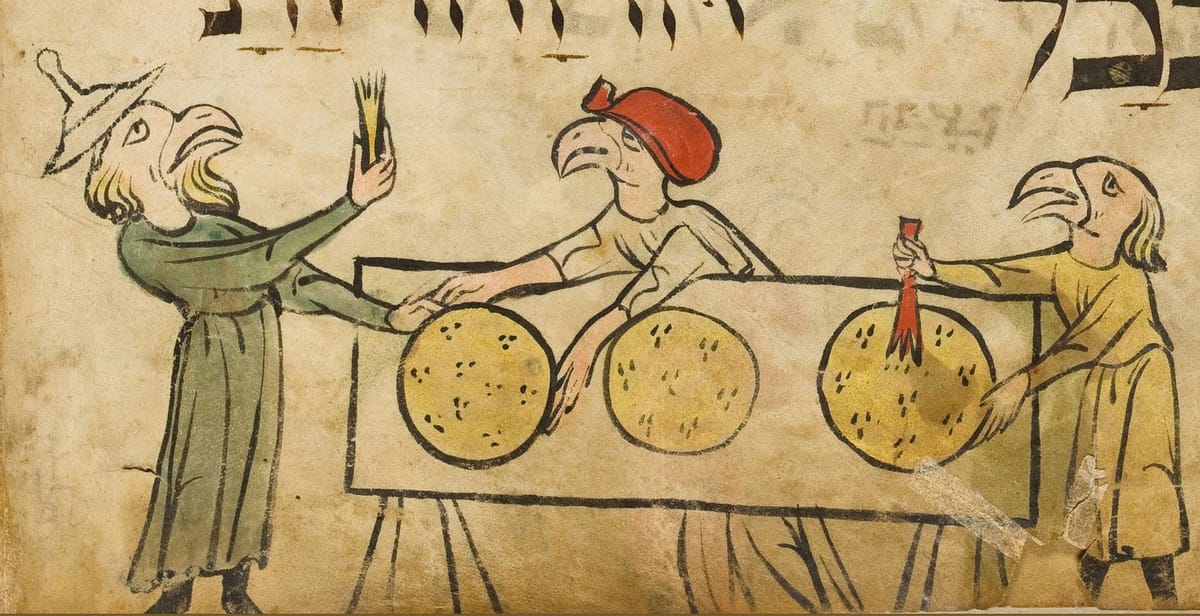
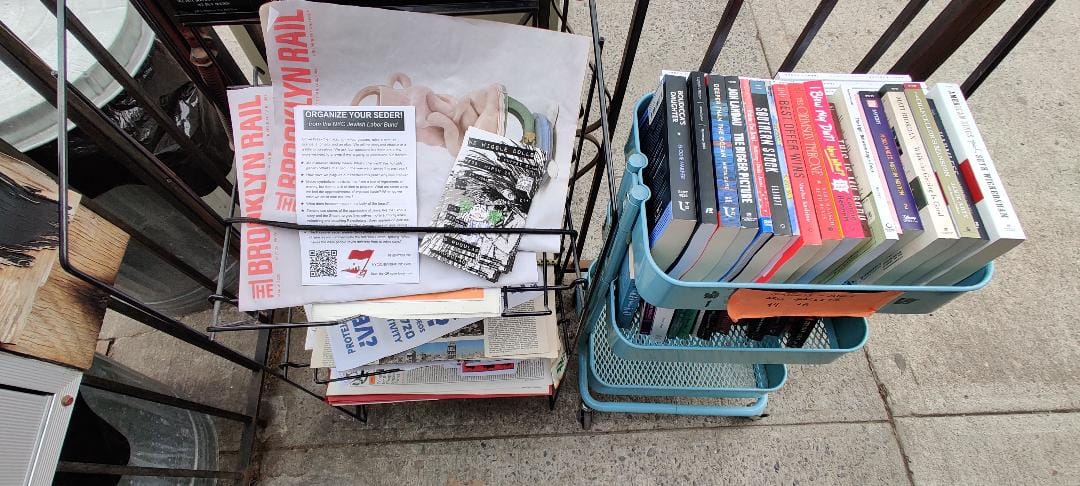
Every year Jews get together at the seder table to recall a victorious liberation escalation campaign, but many families interpret Passover so poetically and divergently that they overlook the politics on the very surface. Even if we're clear-eyed about the politics of the story, as Bundists we don't wait for plagues to fall from the sky to bring liberation. We know it only comes from organizing and fighting (and drinking and singing along the way). And we know that our only true wins are the ones we can fight to protect. The Bund of New York City is issuing this Passover supplement full of seder conversation-starters to help us and our loved ones reflect on the state of our movement today. Where are we winning? Where haven't we made the progress we want? What progress must we fight to protect in the next year?
Your seder is a perfect time to think together with family, friends, and comrades about what liberation really means to you. Exodus is a liberation story so powerful that it was removed from the Bibles published for the Christian conversion of Africans enslaved in America for fear it would encourage uprisings (spoiler alert: it did), but at too many seders, you wouldn't have guessed. This tension started at the very beginning of seder history when one rabbinic faction used Egyptian symbols as code to imagine freedom from Rome by armed insurrection, while another faction opposed and diligently discussed halakha at their seder to diffuse any liberation talk.
We can imagine that August Bondi, the Yiddish-speaking compatriot of abolitionist John Brown, may have called Brown a tuer (a prized Bundist badge of honor). Others talked about abolition, but John Brown and General Harriet Tubman (often referred to as "Moses") organized and did it. At the very least Bondi was cracking jokes in Yiddish on the battlefield as they fought enslavers together. John Brown's soul marched on in the song “John Brown's Body,” which we sing at our seder to commemorate the revolutionary war against slavery, mixed with the national anthem of unionists, “Solidarity Forever,” sung to the same tune.
Two hundred years after the Civil War, when white liberals threatened to stall the Civil Rights Movement of the 1960s, Black folk singer and activist Len Chandler penned new lyrics to that tune: “Move On Over Or We’ll Move On Over You.” The title was taken up as a slogan of the Black Panther Party. We sing it directed at any liberal Jewish organization that tells Bundists to slow down. We say the movement's moving on. As Len Chandler debuted “Move On Over” on Pete Seeger's TV show “Rainbow Quest,” Seeger reminded his audience of the lesser-known origin of the tune: it first was a Christian Zionist Methodist hymn that started, "Say brothers, will you meet us/On Canaan's happy shore?" That reminds me, we'll have to think of a different wish to end our seder.
It’s traditional for the last words of the seder to be “Next year in Jerusalem” as an aspiration to make aliyah. Some say it with the kavanah, or intention, to mean the ancient, diverse Jerusalem long before the modern Israeli state or a future Jerusalem long past it. As a diasporic religion, “Next year in Jerusalem” meant ushering in the messianic utopia of the Promised Land. Martin Luther King Jr. saw it as a new equal society when he famously said, “I have been to the mountaintop. I have seen the Promised Land.”
But instead of the mountaintop, as Fred Hampton said, the Black Panther Party "went into the valley knowing that the people are here in the valley, knowing that our plight is the same plight as the people in the valley, knowing that our enemy’s on the mountain and our friends are in the valley. And even though it’s nice to be on the mountaintop, we’re going to go back to the valley because we understand that there’s work to be done in the valley."
There's work to do this year in the valley. Passover stands for the Angel of Death passing over the homes of the segregated, discriminated against, and condemned by the state, but now Jerusalem is in apartheid, and Israel rains death on its neighbors. What will we say to end our seder? Perhaps we may reference the 1944 Partisan Haggadah, written in Ladino by communists then struggling against the occupying Axis powers in Yugoslavia: “This year we are here, but next year, inshallah, we will drink raki in Sarajevo.”

.jpg)