Against Spectacle: Art and Truth in Times of Genocide
We need more artists, now more than ever, to recover their sense of militancy.

After giving it some thought, I’ve sworn off ever accepting an Oscar.
Some might consider that a cocky thing to admit outright. I can already imagine my dad saying something like, “You kinda have to be nominated first, buddy.” Sure, most would probably consider it a privilege.
Bear with me here.
As an actor, I was taught to aspire towards these kinds of things. It represents the pinnacle of recognition in our craft. I’ve attended elite institutions which laud their graduates who’ve gone on to achieve such accolades, hoping it could boost their rankings in the Hollywood Reporter or draw in more prospective students (and thus, more revenue for their programs).
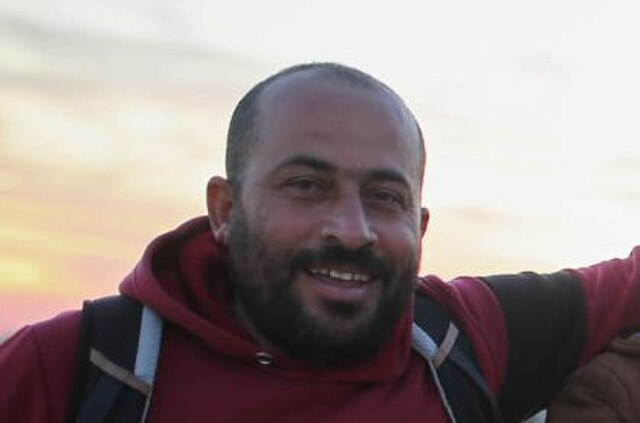
But a little over a month ago, I saw Hamdan Ballal, Oscar-winning co-director of “No Other Land,” humiliated in his own home by masked men with guns in olive green army fatigues. He was attacked for the second time that week. They hospitalized his brother. They intimidated his mother. One even hit him in the face with the butt of their weapon. On their way out they aimed their rifles at him. Twice. I caught it on camera. Were they active-duty or militia? Who knows? Who cares?
There’s hardly any distinction these days.
They took orders from a thug on horseback who has already threatened to rape this man — threatened to do it to him like they do in the torture camps, in Sde Teiman.
To rape him in “in the name of god.”
The motherfucker snickered at us as he galloped past…
My father would point out to me, after illustrating this for him in a conversation, how it was no different than with the Cossacks of old.
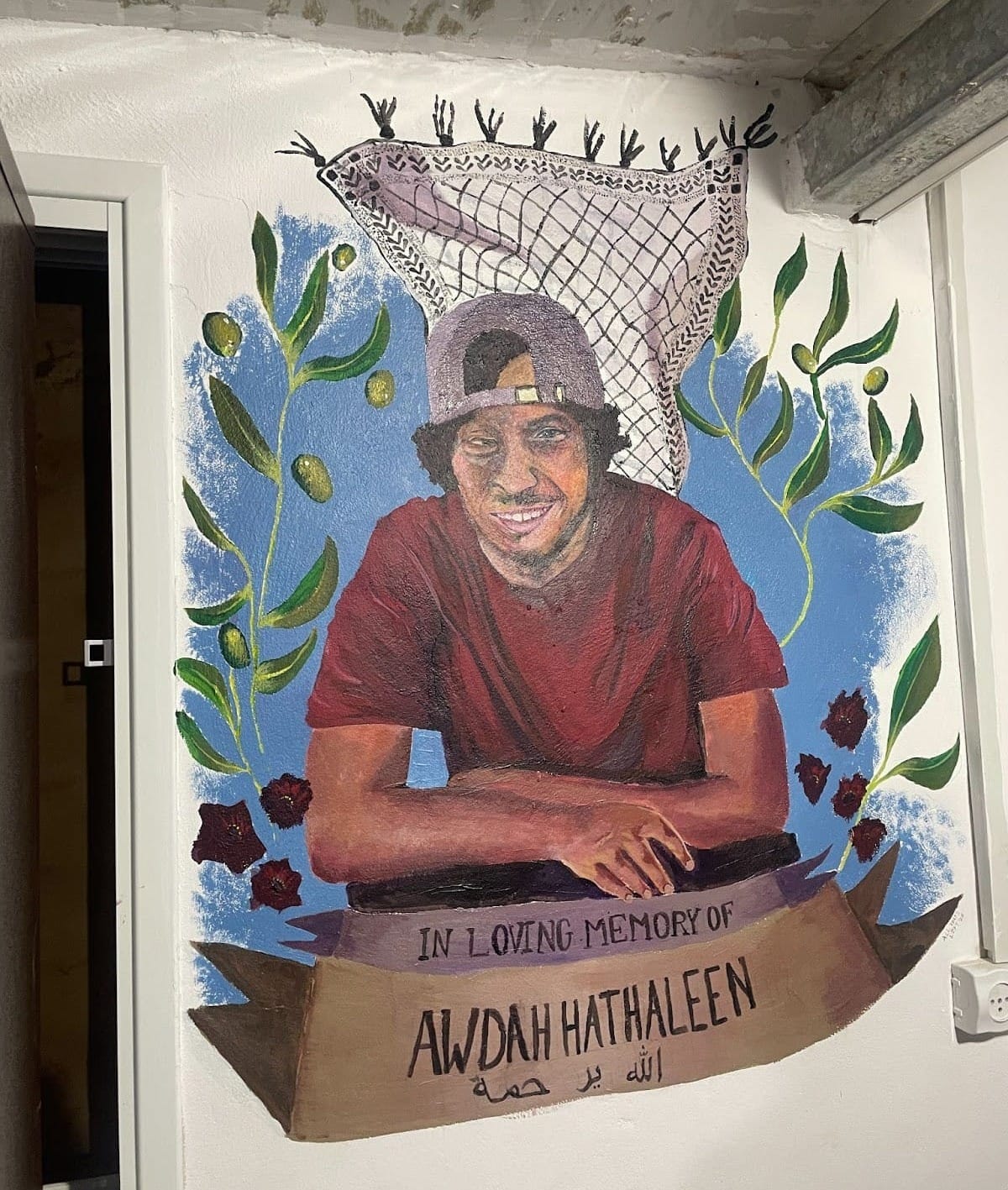
I had been living in Masafer Yatta for over a month completing a sustained solidarity initiative as a member of this year’s Hineinu cohort with the Center for Jewish Nonviolence. A couple hours earlier before the attack, a congressional delegation from the U.S. arrived in Umm al-Khair, courtesy of J Street. They do a tour. They get a nice look at the new football pitch for the kids Israel is now threatening to demolish, named in honor of community leader Awdah Hathaleen who was killed by a Jewish settler last summer. One of the visitors, Joseph Rivet, is from Michigan. His wife, Kristen McDonald Rivet, is a congresswoman from the Flint area or something like that. He tells me how they’ve been around the country the past week — Tel Aviv, and the kibbutzim in the south near Gaza.
He tells me he’s “trying to keep an open mind but…”
“But” what?
An open mind about what exactly?
Jewish Jim Crow?
With a sorry look on his face, he pats me on the shoulder:
“Keep on believing, man.”
Then he heads back to his bus. The delegation won’t stick around long enough to see what typically happens.
I want to scream. At him. At all of them. At their sorry fucking faces.
And in the pit of my rage, my silent rage, I catch myself thinking: “I will go straight to hell all by myself if I have to, just to make this stop.”
The thought scares me. But I let it pass without too much judgement.
You know what? I’m sure all these congresspeople – or EU diplomats or UN officials or whatever – will sign lovely petitions protesting the demolition order. They’ll forward some motions. Maybe they'll send a memo around. And, at best, that will help for about a minute. Buy some time for folks here. Appease a few constituents maybe. But the buck stops there for most of these people.
There will be no calls for an arms embargo. No calls for a boycott. Nada. Zilch. Ain’t happening. Firmly worded letters are the best we can expect out of our so-called “representatives” in our so-called “democracies.”
And the burden of change is somehow always on the relatively powerless to prove themselves worthy of support, to justify their need to monied and middle-classes, the latter of which were all too keen on forgetting who they once were but all too eager to make themselves feel better about it. And the rest of us are pressured into maintaining an illusion of unity even though we see the game’s clearly been bought.
Back to Hamdan, a couple hours later.
We recoup in his house after the incident and then me and two others start to head out. He and I shake hands.
“Masalaame,” I say.
“Good to see you,” he says back.
But there is a sunken look in his eyes and a bruised face and a wounded-yet-determined spirit I cannot erase in my mind. The same look I’ll see in the eyes of a guy around my age when he’s arrested and blindfolded by Israeli soldiers the following day. The same look I’ll see in the furrowed brow of an older woman the day before, concerned over how she’ll protect her family from regular settler raids – the same look described in accounts of early 20th century pogrom survivors.
So what good are these awards really? Who do they protect? What are we celebrating? Where are this man’s industry peers? Are they going to come here? Words are cute. But will they stand with him? They certainly can afford it. Far more than me. A hundred times more than me.
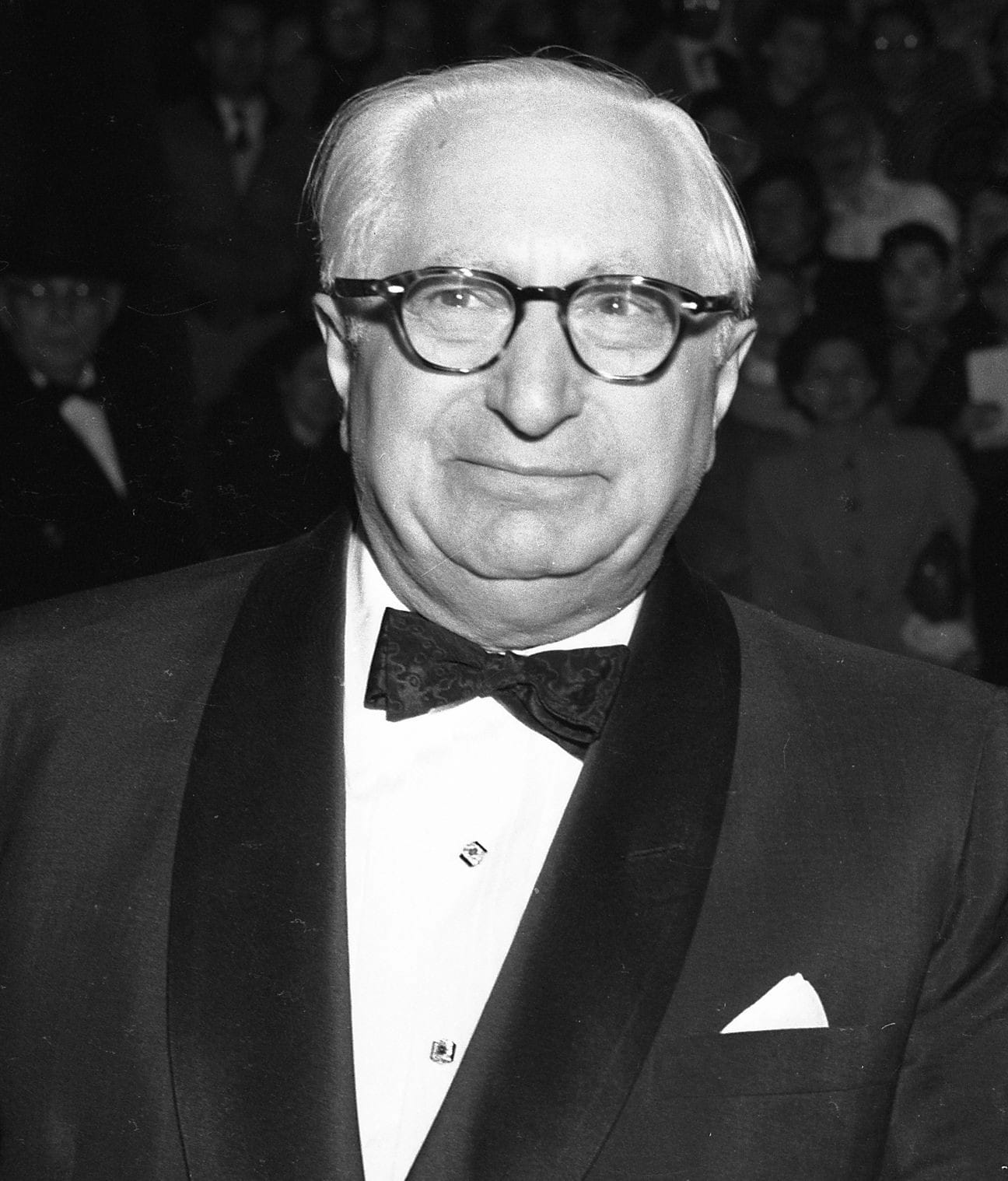
I won’t hold my breath. What should I honestly expect, given the history of the Academy Awards as a tool for creative coercion, anti-communism, and union-busting? Louis B. Mayer, co-founder of Metro-Goldwyn-Mayer Studios, infamously once said if he gave filmmakers “cups and awards, they’d kill themselves to produce what I wanted.” As Mohammad R. Mhawish points out in a recent essay concerning “The Voice of Hind Rajab” (which was nominated for Best International Feature this year), these institutions clearly have their ceilings and seeking validation from them could only ever pull justice so far.
All of this had me thinking: in the same way the martyr Basel al-Araj – a Palestinian essayist killed in a 2017 shoot-out with Occupation forces – was known as the “Engaged Intellectual,” where are our Engaged Artists?
Thankfully I had met some others, well to the north, in Jenin. After my Israeli visa was suddenly revoked by customs authorities, I knew I wanted to see as much as I could of this land. Who knows when I’d be back – if I could ever come back now? The revocation of electronic visas is a newer tactic aimed at preventing international activists from returning to Palestine. In spite of this, I managed to coordinate a visit to the legendary Freedom Theatre for myself and some friends. Forged in the fires of the intifadas, it was intended as a site of cultural resistance for Jenin’s youth. But the artists had been forced out of their space, originally planted in the now depopulated refugee camp, cleansed of its nearly 20,000 inhabitants by the Occupation since 2023.
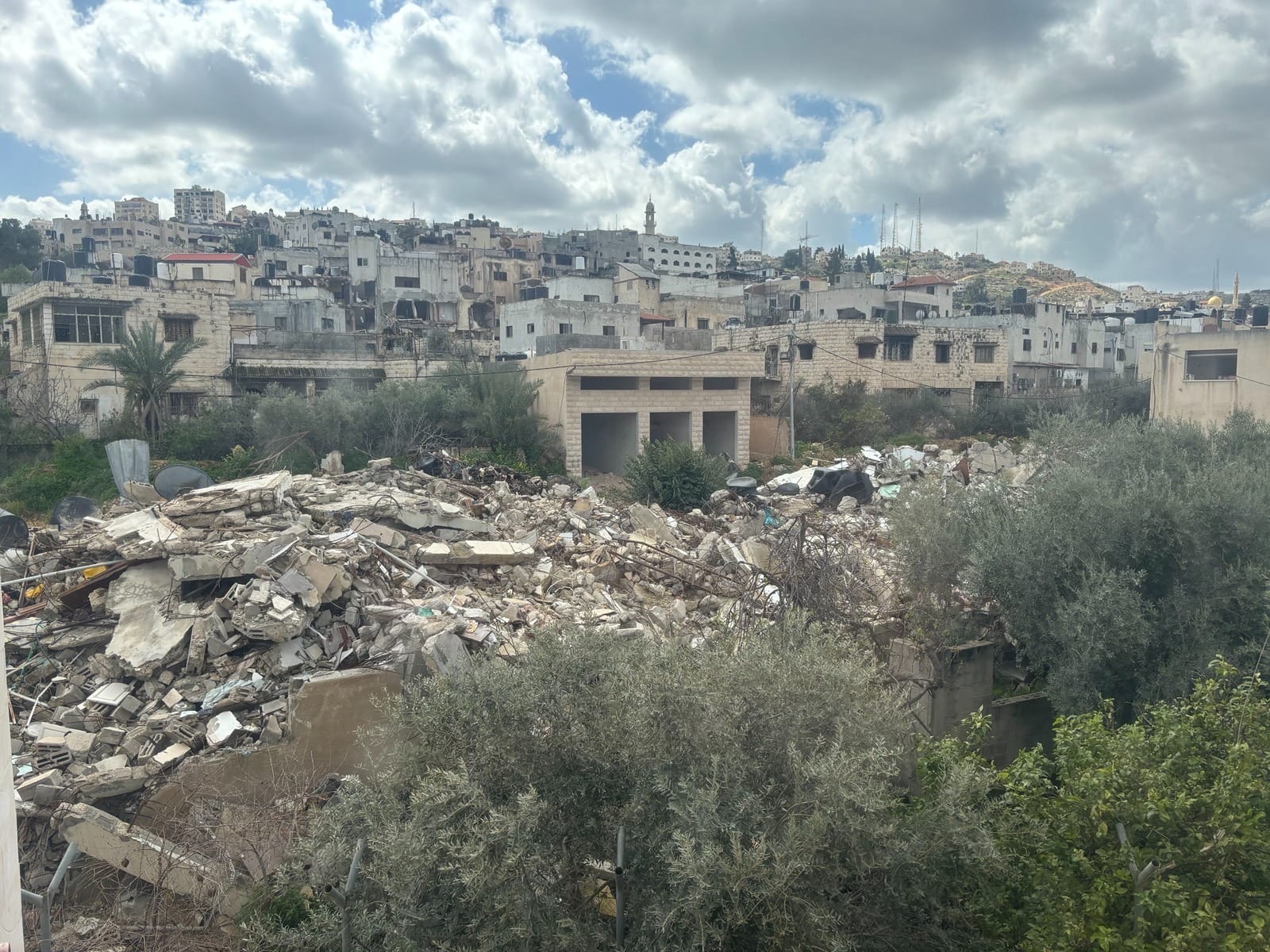
Once a living symbol and source of rebellion, the camp was torn and gutted; a microcosm of apocalypse situated in the center of the city. Staring into the maw of its liquidated neighborhoods, the scene seemed like the nearest I might ever get to visualizing Gaza up close. We were told that if we tried to move past the rubble walls erected by the Israelis, we’d likely be shot.
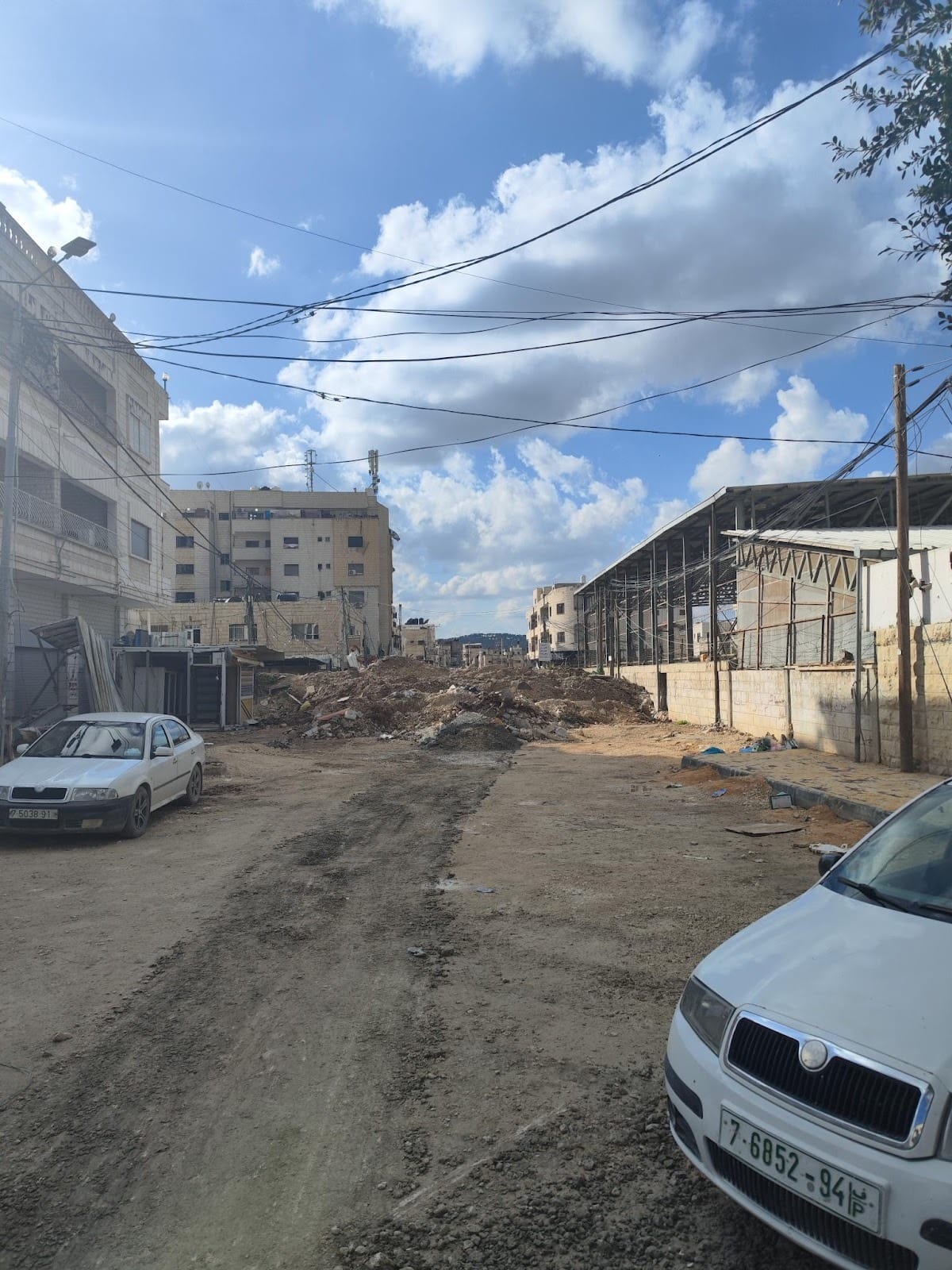
But with some help, we found the Freedom Theatre’s new headquarters and met Mustafa Sheta, their general manager. He spoke of the theatre’s story and their struggle. Mustafa himself was a former political prisoner of Israel, held for 15 months near the start of the genocide. He had a prior police record and so was rounded up with about a thousand others and thrust into dungeons with no contact with the outside world. This process is called “administrative detention,” where many Palestinian people can be kidnapped and imprisoned indefinitely without charge. I remember participating in protests on the steps of the Public Theater in New York, demanding Mustafa’s release.
When he was let go last March, he didn’t know who had survived or if there was even a theatre left to return to. Indeed, there was, and despite the odds their team has resumed their deeply necessary work.
I told Mustafa that some people come to this land to visit sites like al-Aqsa, the Kotel, or the Via Dolorosa. But for me, meeting him and seeing the theatre was my own form of pilgrimage.
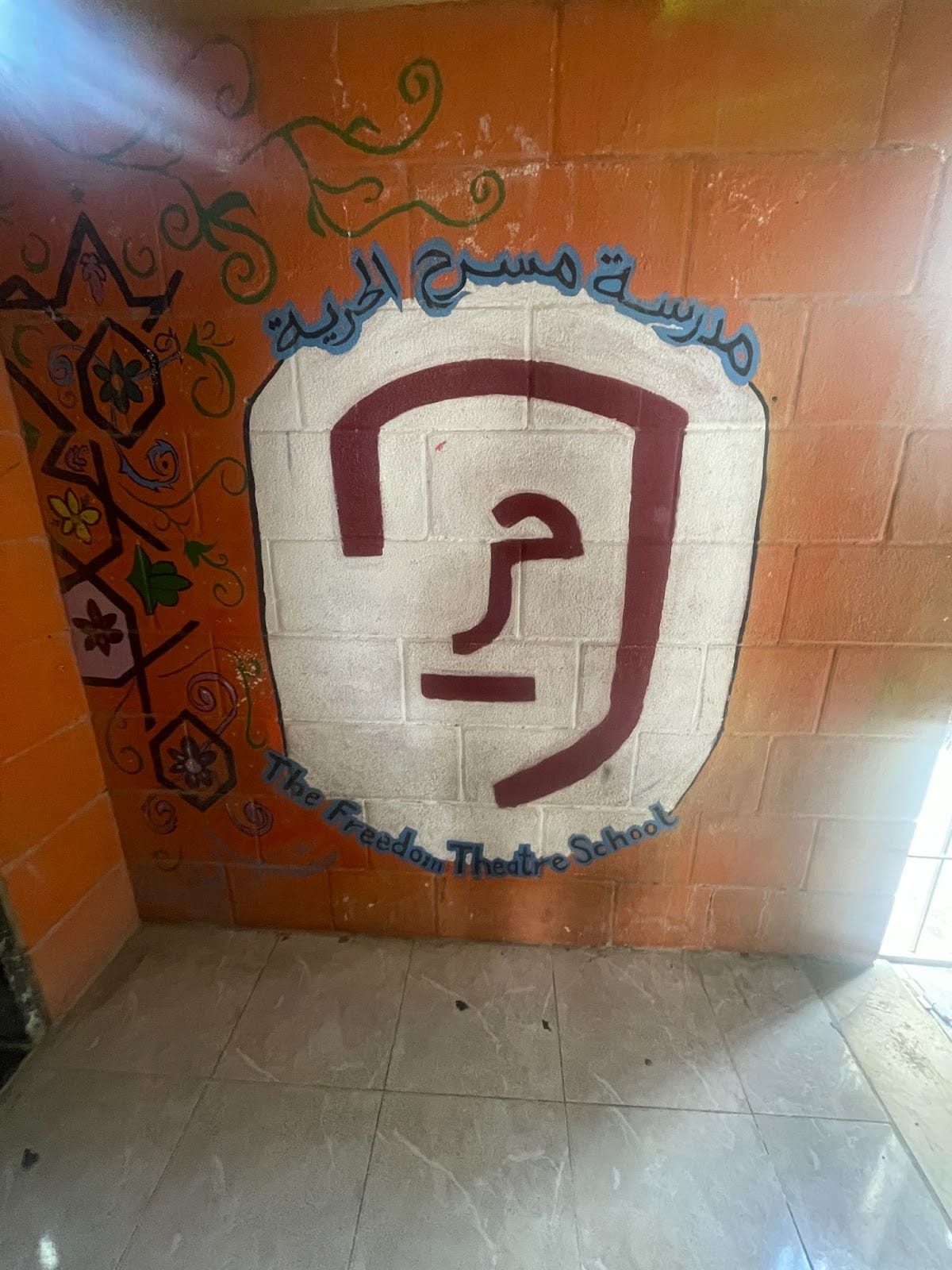
There are certainly Engaged Artists out there, like Hamdan Ballal and Mustafa Sheta. But since the outbreak of war with Iran, Zionist tanks have resumed their trail of terror across the streets of Jenin. Expanding regional conflict is being used as a pretext for accelerating ethnic cleansing and genocidal violence in the West Bank. We need more artists, now more than ever, to recover their sense of militancy. More ought to heed the searing words of poets like Noor Hindi: “Fuck Your Lecture on Craft, My People are Dying.” More ought to take seriously the role we have in shaping culture — in untangling it from the control board of consumerism, programming into us our likes and dislikes and why we even like what we like.
So what? Who am I to judge, speaking into the void as I am?
I don’t have an Oscar. I’m nobody special. I’m just like anyone else.
And that’s more than enough.