History
The Socialist Uprising in Austria
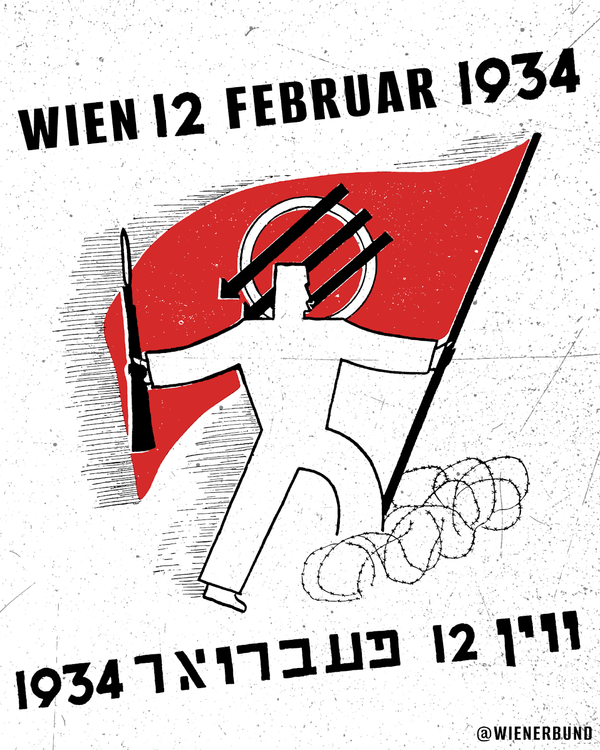
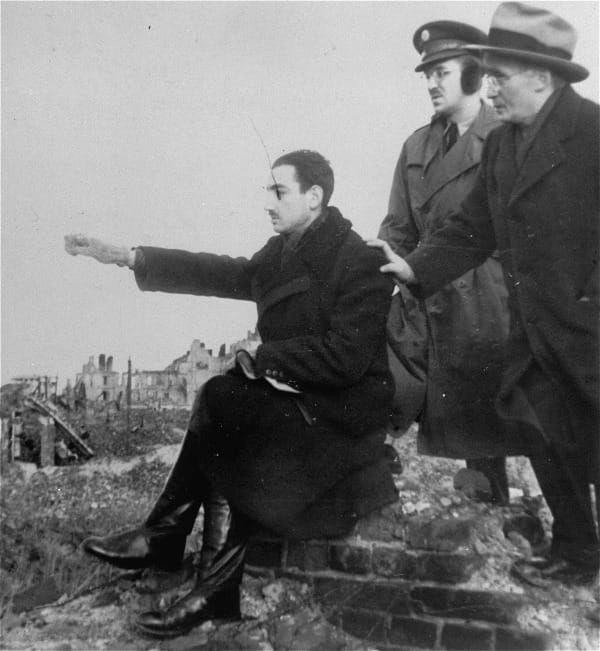
A translation of the writing of Henryk Ehrlich in honor of the anniversary of the Austrian Civil War.
History
A translation of the writing of Henryk Ehrlich in honor of the anniversary of the Austrian Civil War.
History
Writings by Bundist leader Wiktor Alter and a 1931 resolution endorsed by the Bund shed light on Bundist political thought on imperialism and colonialism.
History
The doctor-activist is often publicly remembered for her heroism in the Warsaw Ghetto, and less for her political activity with the Bund before 1940.
History
We can think of the struggles that might have been left out of history, so that new struggles can make history today.
History
Baited by Polish nationalism and scoffed at by Jewish nationalism, the Bund never grew tired of calling upon the Jewish masses; ‘‘Do not succumb to despair; do not surrender to any feeling of panic!’’
History
An article by Philadelphia shul teacher Shloyme Davidman reveals the extent to which secular Yiddish shuls were embedded in in the everyday lives and struggles of the working class.
History
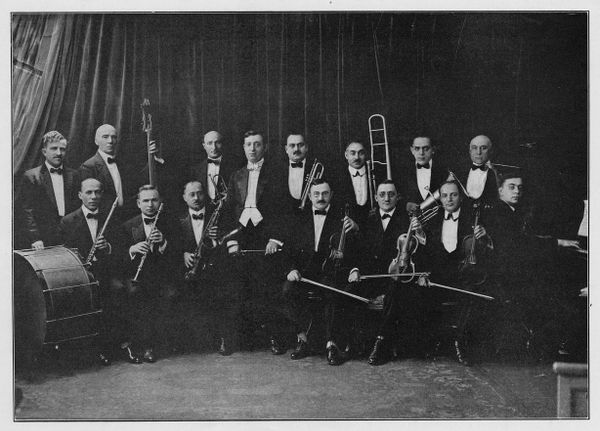
From the early days of the 1880s to the First World War, klezmorim were present at every twist and turn of immigrant Jewish radicalism and labor organizing, from strikes to union elections.
History
Socialism on occupied and stolen land, on land that still shrieks with the blood and sweat of the disenfranchised and the expelled… It is a perversion of socialism; it is a deformity of socialism!
Translation
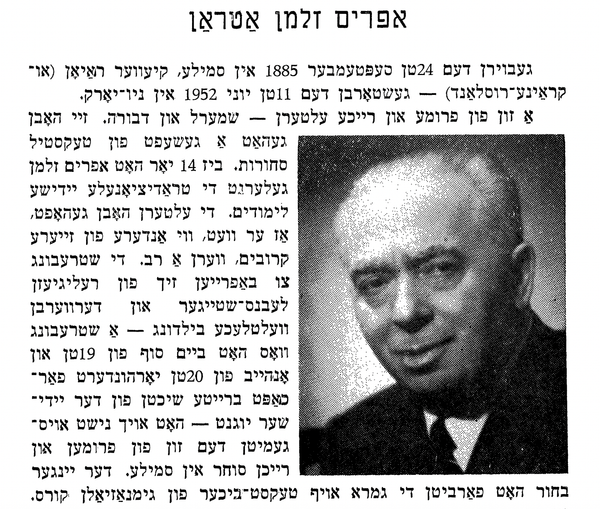
Translator’s Introduction: I am pleased to be continuing my series of translations from Doyres Bundistn, “Introducing the ‘Tuers,’” with the entry of Ephraim (“Frank”) Zalman Atran. While this installment only features one individual, his story presents a great deal to dig into. A barricade fighter who was shot three
History
You see the world as a Zionist, by which I mean you see the world with eyes full of darkness. You are not seeing the world as it is. Try to look at the world with socialist eyes and see.
History
At an international meeting of the Bund ten years after the Holocaust, Bundists highlighted the importance of participation in communal Jewish life, the preservation of Yiddish, and a "just peace" in Israel and Palestine.
History
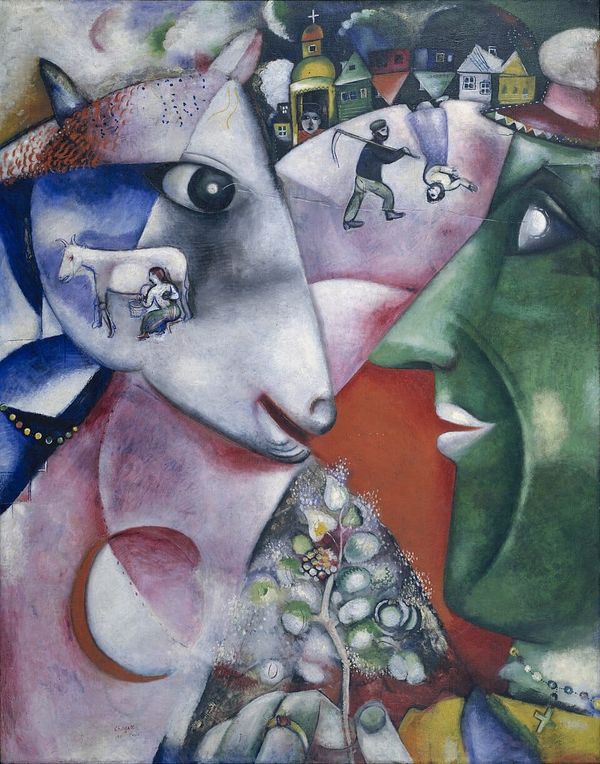
Editor's note: This is a version of Elia Ayoub’s Master’s thesis about the war on Yiddish in Palestine written in 2016, graciously abbreviated and adapted for publication in Der Spekter. Source citations have been changed to links for easier reading. To read the original full essay