Tracing Ancestral Memory As A Collaborative Cross-Diasporic Practice
Electronic music is a way of asking what cultural traditions survive, who gets to hear them, and what political possibilities might be contained within their archives.

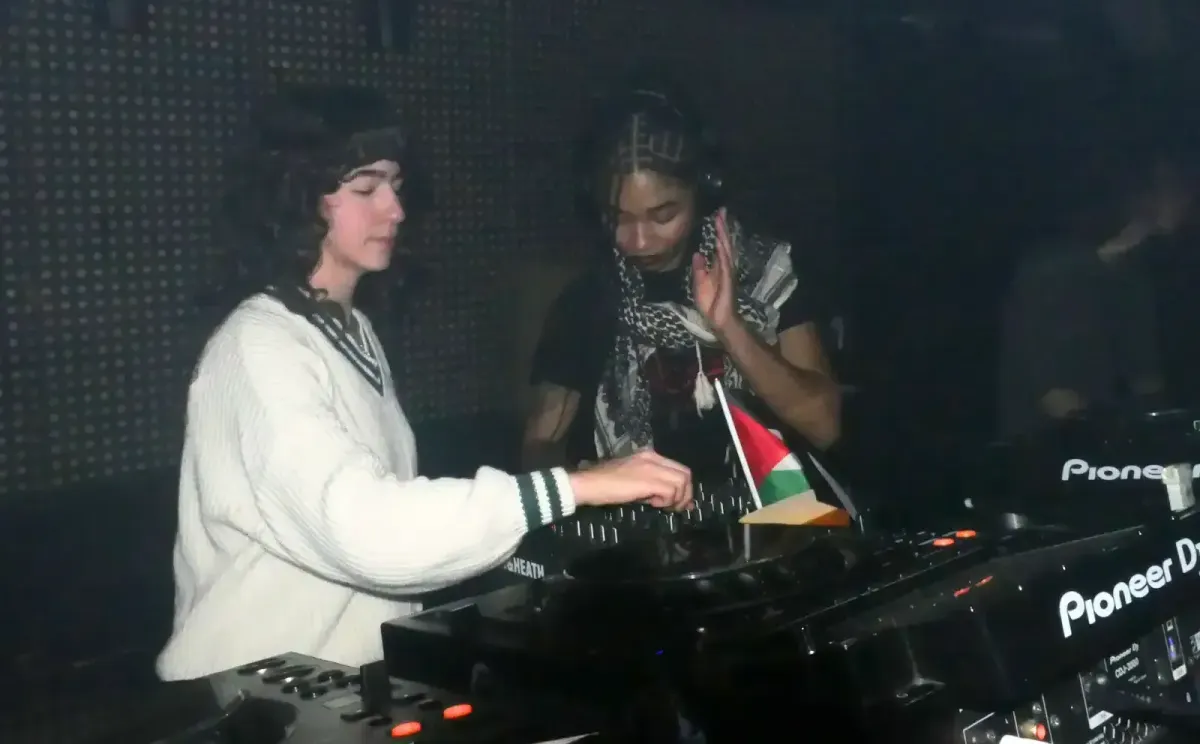
Since its inception, electronic music has been rooted in diasporic practice. While electronic music initially emerged within the context of academic “art music,” its earliest popular form developed through Black diasporic practices of reworking and technological experimentation. In late-1950s and 1960s Jamaica, pioneers such as Lee “Scratch” Perry and King Tubby developed studio techniques that transformed existing recordings into new compositions: cutting and splicing magnetic tape, manipulating turntables, and using effects such as delay and reverb to alter the sound of older records. These practices often created ways of bringing neglected or commercially overlooked Black recordings back into circulation, giving them a new context and audience as they played over Jamaica’s giant multi-speaker soundsystems.
Over the ensuing decades, Black musicians around the world developed what we now call “sample culture”: the practice of taking fragments of existing recordings and placing them into new musical contexts. Sampling can function as a kind of cultural memory, channeling ancestral recordings into the present, introducing old sounds to new audiences, revealing previously unheard dimensions of familiar music, or simply giving overlooked recordings another chance to be heard. In the 1980s, the musicians of Detroit techno label Underground Resistance used sampling, electronic composition, and futuristic production to imagine Black radical futures, drawing on the most insurgent and visionary elements of Black musical and political history.
Over the last three decades, a broader movement of musicians has adapted the techniques of sample culture and electronic composition to their own diasporic and cultural traditions. In many cases, electronic recomposition has become a form of political action.
Seba Kayan uses what she calls “Oriental Techno” to foreground her family’s tradition of Dengbêj, a Kurdish vocal tradition that has at times been punishable by long-term imprisonment and torture by the Turkish state. Haamid Rahim remixed and performed traditional Pakistani sounds in the wake of historic nightlife and music performance bans in Karachi. Mo’min Swaitat, founder of the Palestinian Sound Archive, remixes material from an enormous collection of Palestinian cassette recordings, bringing renewed attention to the work of Riad Awwad, a musician imprisoned by the Israeli state for recording The Intifada, an album of resistance songs performed with his sisters during the First Intifada. Across these practices, electronic music becomes a way of asking what cultural traditions survive, who gets to hear them, and what political possibilities might be contained within their archives.
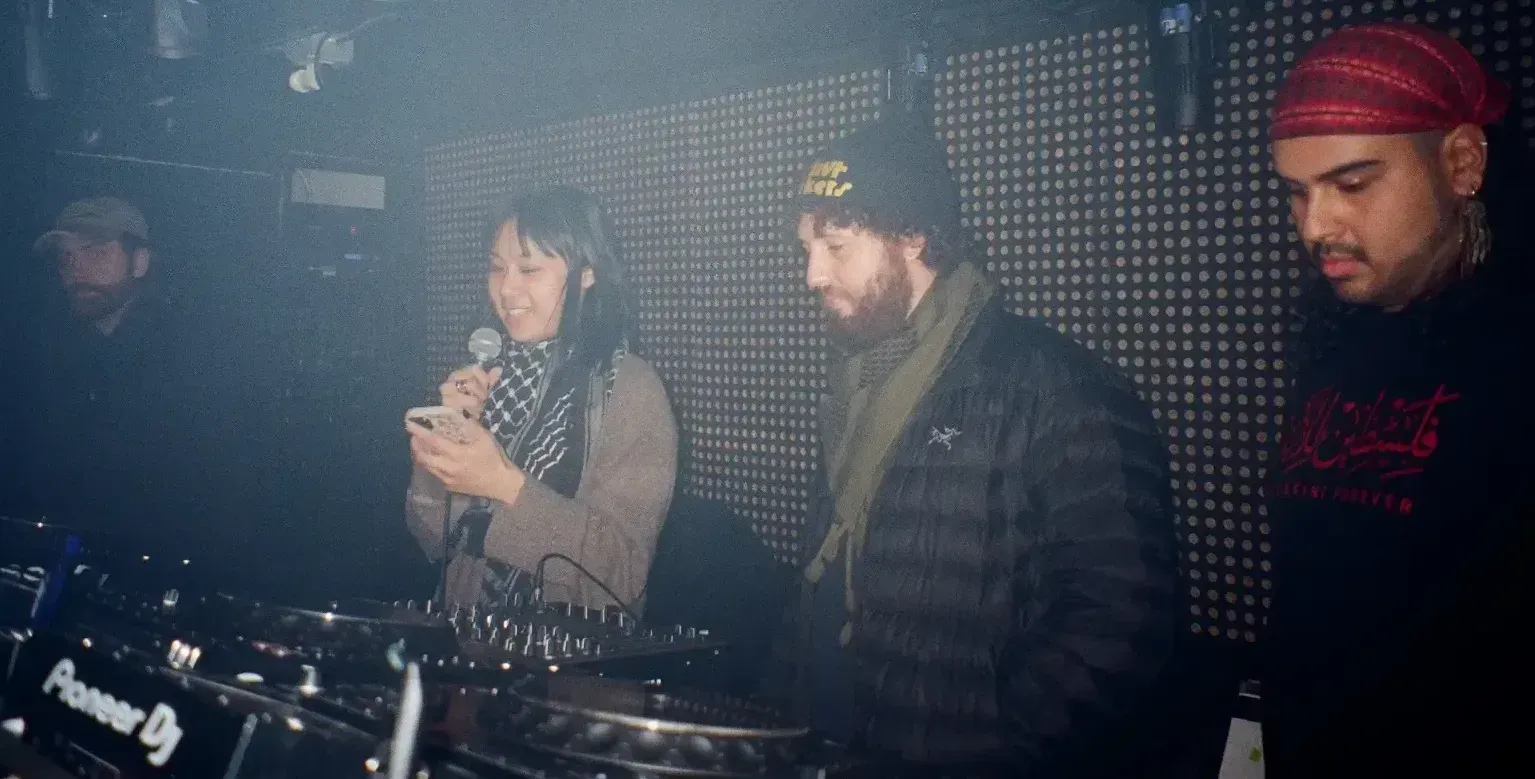
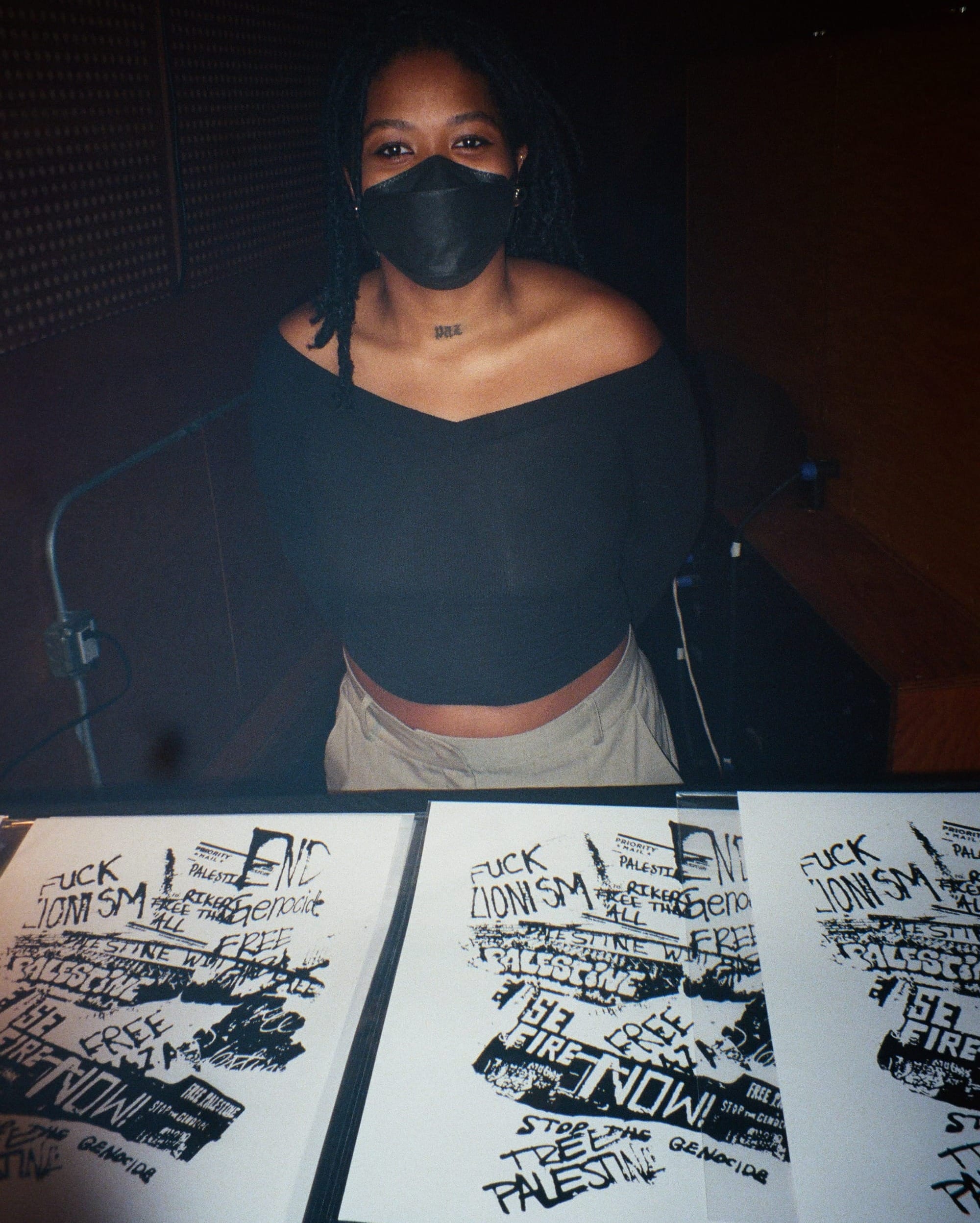
(l) DJs Against Apartheid gives a speech from behind the DJ booth at an Echoes of the Archive event (r) A vendor sells a ‘Free Palestine’ print at an Echoes of the Archive event Credit: Marie Ungar
What does any of this have to do with Yiddish?
In the early 2000s, Josh Dolgin, inspired by recordings of Yiddish theater and popular song, began sampling Yiddish music on the MPC, a hardware sampler. His work helped open a path for a new generation of musicians to experiment with Yiddish recordings through hip-hop, electronic music, and other forms of contemporary production. When I began sampling Yiddish music in 2019, I realized that the practice could connect contemporary audiences with lesser-known histories of Jewish political thought.
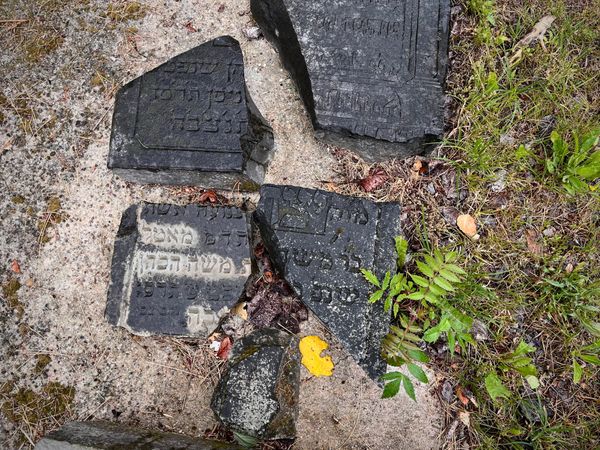
In particular, I became interested in the recordings preserved by the Jewish Labor Bund, the historic Jewish socialist organization whose political tradition was fiercely opposed to Zionism while advocating for Jewish cultural autonomy and collective resistance. The Bund’s sonic archives, preserved across a variety of institutions including the YIVO Institute for Jewish Research, contain not only songs but also recordings of meetings, interviews, speeches, and everyday cultural life. These materials preserve a Jewish political and cultural history that is often absent from contemporary representations of Jewishness: a Jewish world organized around diaspora, labor, solidarity, internationalism, and militant political struggle rather than a nation-state. By sampling these recordings, I have been experimenting with ways to bring that history, undeniable in its recorded form, into contemporary spaces.
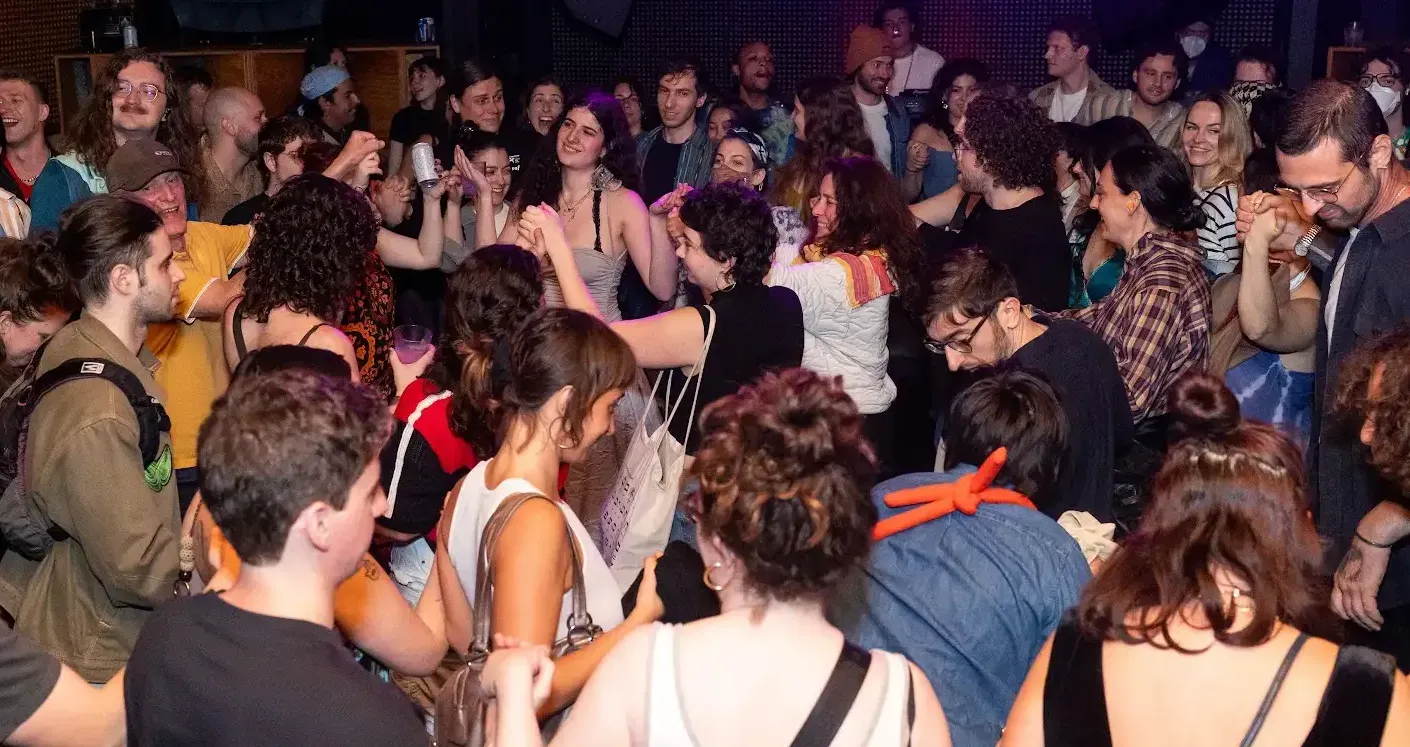
These radical political possibilities form the backbone of “Echoes of the Archive,” a series of collaborative parties I began hosting in 2022 with musicians and artists working with Yiddish archives as well as the archives of other diasporic communities. The electronic remix becomes a shared meeting point: a way for different communities to encounter one another through the question of how cultural memory can be carried forward. The parties are deliberately structured not simply as concerts but as gatherings. Musicians remix archival recordings on the dance floor while cultural and political organizations table around the edges of the room, creating opportunities for people to encounter histories, organizations, and forms of political advocacy alongside the music.
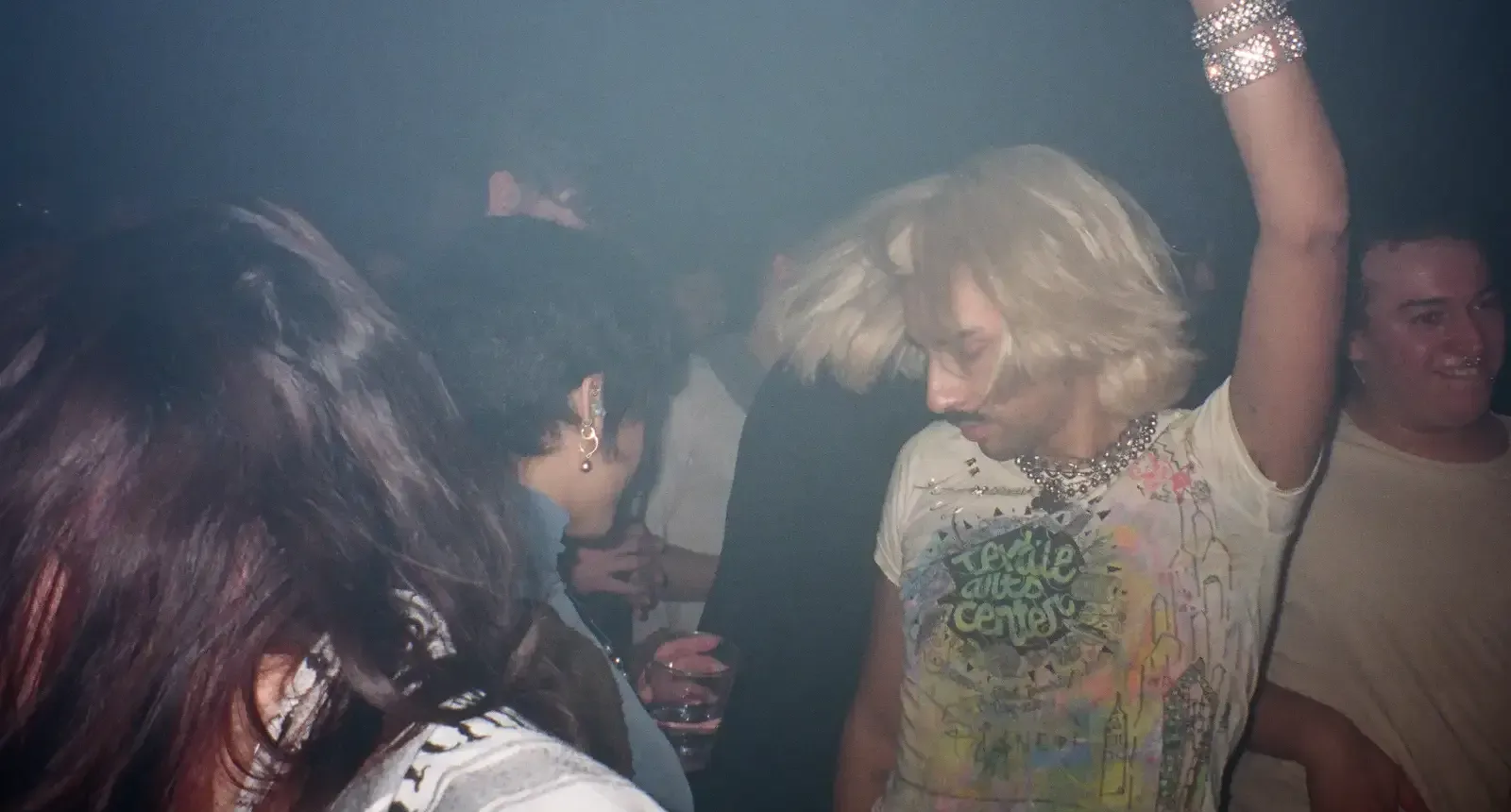
That structure has made something increasingly clear to me. Diasporic electronic music can create solidarity by creating a space where different communities can recognize one another’s struggles over cultural survival, political repression, displacement, and the right to imagine a future on their own terms. Anti-Zionism and anarchism have become important points of connection between many of the communities represented at these events. In each case, the archive contains possibilities that dominant narratives have obscured.
For Yiddishists, participating in this broader ecosystem of diasporic electronic music offers an opportunity to position Yiddish culture in solidarity with other marginalized and diasporic traditions seeking renewed, liberatory forms of cultural vitality. It also asks us to reconsider what it means to preserve a tradition. Perhaps, at times, preservation means putting an old recording into a new context so that someone who would never have encountered it otherwise can hear it. It means allowing archival voices to enter contemporary conversations, allowing forgotten political histories to become part of living cultural practice, and creating spaces where people can gather around those histories together.
Following the radical Black lineage of electronic music, therefore, opens up possibilities both for the preservation and reimagination of Yiddish culture. Sampling can make hidden Yiddish revolutionary histories audible. Electronic recomposition can place archival Yiddish voices in conversation with the sounds and struggles of other diasporas. And the party itself can become a form of cultural organizing, where action planning, political education, bridge building, advocacy, and community care happen simultaneously. This approach treats the archive as a resource for imagining what Eastern European Jewish diasporic life could look like in the future and for building relationships with other communities engaged in the same work of turning inherited cultural memory into radical collective possibility.
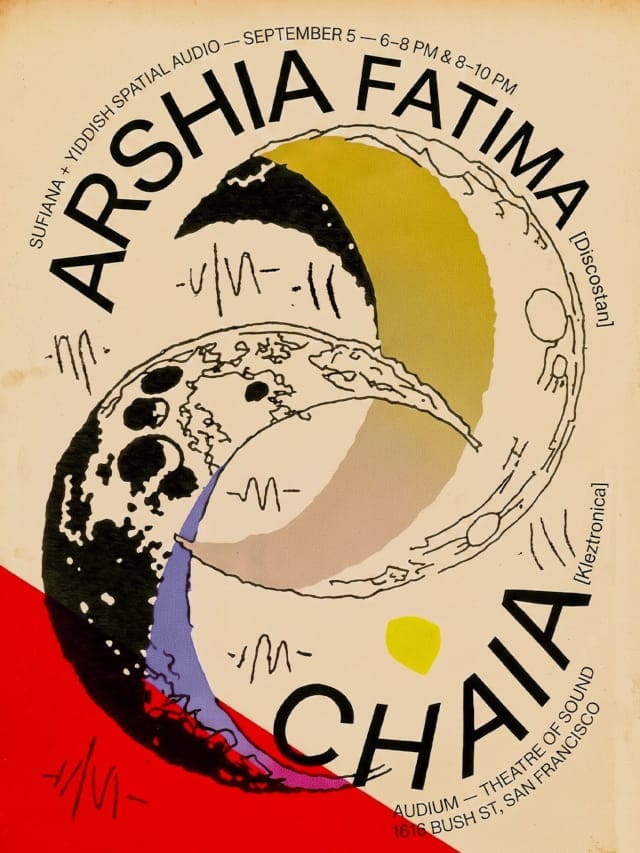
On Saturday, September 5, in San Francisco, I’ll be hosting a night of Yiddish archival music in spatial sound alongside the extraordinary Sufi archival-sampling artist Arshia Fatima Haq, founder of the influential SWANA party series Discostan. The evening will bring Yiddish archival recordings into dialogue with Haq’s work excavating and recomposing South Asian and Muslim diasporic sound. Alongside the music, advocacy and cultural organizations from across the Bay Area, including Der Spekter, Golden State Bund, Mother Armenia, Discostan, Zamler Collective, and DJs Against Apartheid, will table throughout the space. Join us as we put archives into conversation and explore what kinds of solidarity can emerge from that encounter.