Casa do Povo: The Practice of Doikayt and Living Memory in the Tropics
How a cultural institution founded by Jewish radicals in São Paulo, Brazil, is resisting urban privatization under the ethic of doikayt.

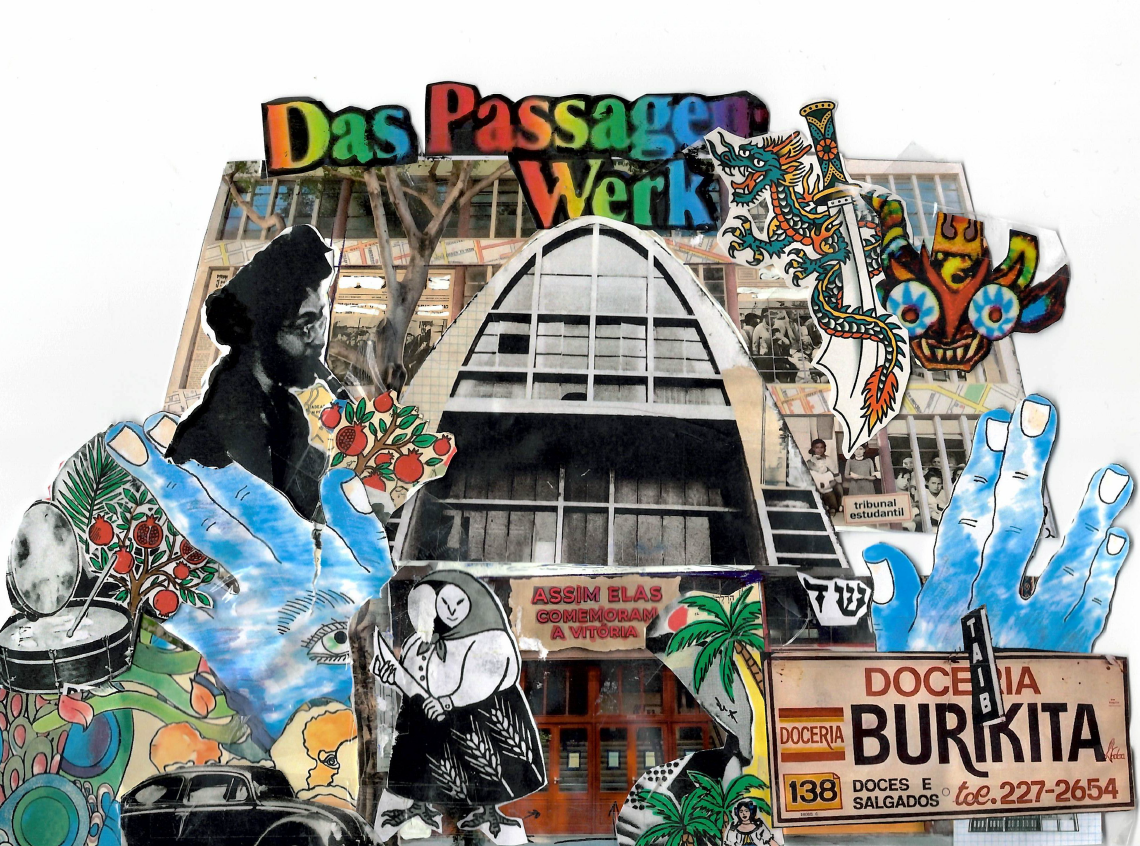
This text is the sediment of several attempts, the cartography of a process that assumes error as an irreplaceable methodological tool. Writing from one geographical and affective latitude to try to be understood in another — from everyday Portuguese to a native Spanish, with an eye on an Anglophone horizon — requires accepting the cost of thought: the certainty that words, like the structures we inhabit, must often be torn down so they stop acting as a shell and instead become a territory.
Institutions of memory do not escape this friction. We usually understand that architecture serves to draw a hygienic limit, a sharp border between the inside and the outside that protects heritage from the contamination of the real. While many cultural institutions operate under the logic of the glass display case — that transparent barrier that allows us to observe a historical object but strictly forbids its touch, freezing it in a static narrative — there is an experiment in Brazil that directly challenges the norms of traditional commemoration.
On a corner of Bom Retiro, the historic neighborhood of arrivals in downtown São Paulo, stands a concrete building with no turnstiles at the entrance or security systems that screen who comes through the door. Some of the groups that use it have a copy of the key. In a Latin American metropolis that privatizes every inch of public space, that is not a romantic gesture, but a political act.
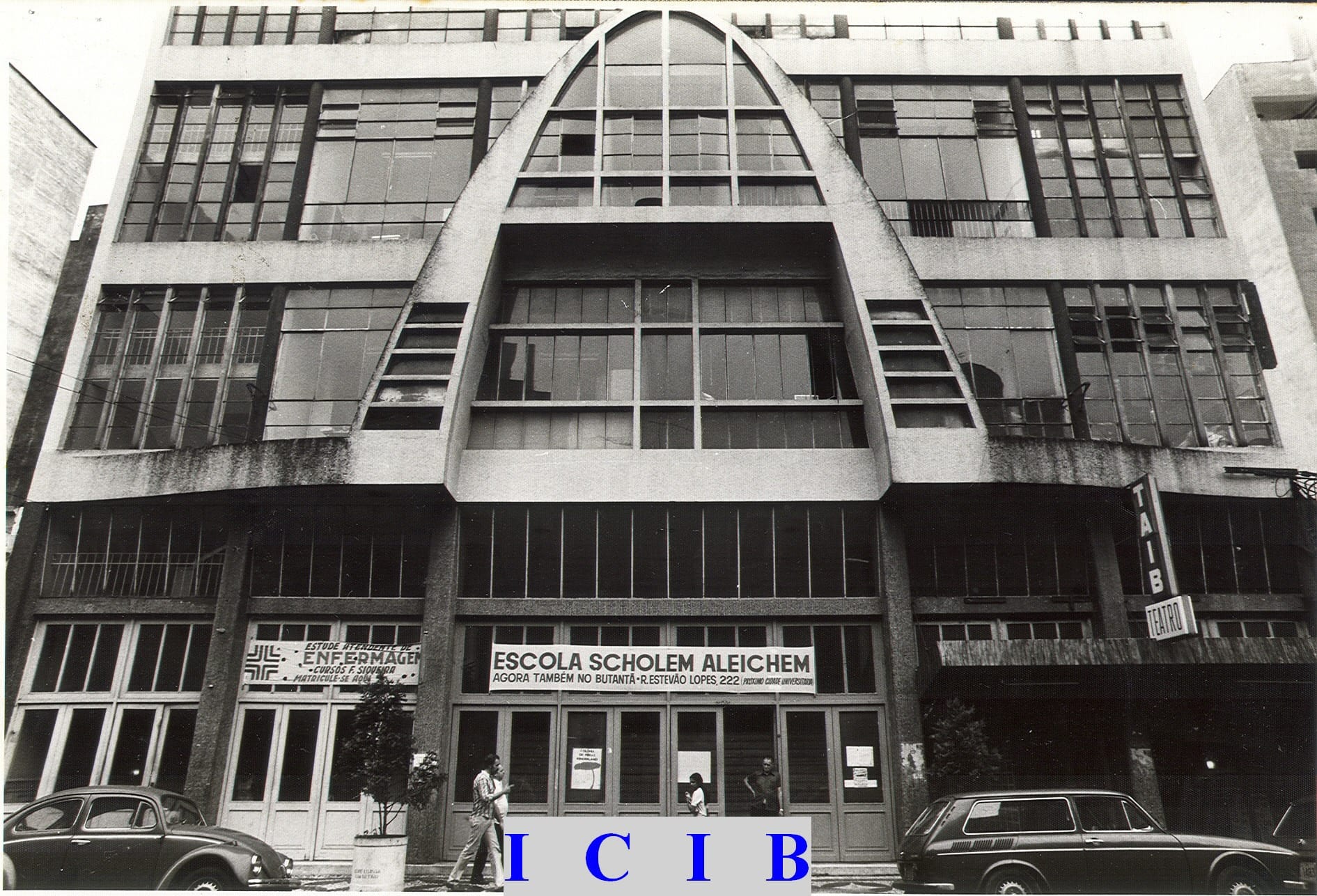
Casa do Povo (House of the People), formally registered as the Instituto Cultural Israelita Brasileiro (ICIB), functions as an ecosystem. It is an architectural and political organism that breathes, and which, by its own choice, allows itself to be dirtied by the unstable climate of the street. It turned seventy in 2023 without ever having fully closed its doors, surviving civil-military dictatorship, the dispersal of its historical social base, and the State's abandonment of the urban center. Today it houses free psychoanalysis sessions, boxing training, textile performance groups, and migrant collectives. The furniture, say those who work there, has wheels. The archive is not a display case. It moves.
I. The Geography of the Asphalt: Bom Retiro and the Seed of Doikayt
To understand what makes Casa do Povo possible, you have to understand the ground it stands on. Bom Retiro's identity is defined by the incessant waves of migration that have crashed against its history, leaving layers of cultural sediment that still determine its rhythm today. Located near São Paulo's main train station (Estação da Luz), it has been the natural destination for successive landings. First came the Italians in the late 19th century, followed by Eastern European Jews in the 1920s, migrant workers from the Brazilian Northeast in the mid-century, Koreans in the 1960s, and Bolivians in the 1980s. Each group left layers in the urban fabric still legible today in the architecture, the storefronts, the languages that cross in the street. Today, the neighborhood is a labyrinth of textile shops, sewing workshops, and aromas that cross continents in a single block.
The Ashkenazi Jewish migrants who arrived had been driven out by European antisemitism. Radicals from Poland, Lithuania, and Russia, they brought with them, among other things, the secular and socialist principles of the General Jewish Labour Bund. For this political tradition, identity was not about isolation or projection onto a mythical territory. It was about political friction with the environment, about planting your feet in the asphalt and in the disputes of the ground you actually inhabited. That is the ethic of doikayt — literally “hereness,” the commitment to the “here and now” — inscribed in the way the Casa was conceived, even if its founders did not always use that word.
As Ana Druwe — researcher and co-editor of the book Modos de Fazer (2023), a work documenting the reopening process of the Casa between 2013 and 2023 — points out, this ethic was already inscribed in the very genesis of the place. The Casa was born in response to an international call from the Yidisher Kultur Farband to preserve Yiddish culture through anti-fascist fronts in the diaspora. It was a genuine collective undertaking: fundraising campaigns where each family donated the symbolic value of a brick, merged with the promise of the industrialist Manoel Casoy, who made the purchase of the land possible by swearing he would do so once the Red Army took Berlin.
II. Architecture as Democratic Infrastructure
Although the project was conceived in the immediate post-war period (1946), the building did not open its doors until 1953. It was designed by Ernest Mange, a key figure in Brazilian modernism and a collaborator of the architect Vilanova Artigas. Mange deliberately avoided the temptation of the solemn mausoleum. He used exposed concrete and glass to create a praça coberta — a covered plaza — that crossed an underground theater with corridors designed for assembly.
The design treated the ground floor as a literal extension of the sidewalk, eliminating rigid barriers to foster a social equality that the rest of the city, fragmented by walls and surveillance, denied. The structure vertically connected different worlds: a school on the upper floors (the Scholem Aleichem), a theater in the basement, and various workers' associations and literary circles on the intermediate levels. It was an architecture of transparency, where the use of space was, in itself, a pedagogical act.
“Casa do Povo defines itself as a ‘living monument’: a space in which memory and action are inseparable. Perhaps this is where doikayt becomes a way of doing. More than a fixed identity, there is a commitment to the immediate context. That commitment is also present in the relationship with the building itself.” — Ana Druwe, cultural organizer, Casa do Povo
III. A School for Political Life and the Refuge of the TAIB
For decades, this building vibrated with the life of a secular and radical working class. Even its school, the Scholem Aleichem (GIBSA), embodied the values of its architecture and founding vision: education transcended static, one-dimensional memorization; students, instead, became participants in political life. They created a "Students' Republic" inspired by the Polish-Jewish pedagogue Janusz Korczak within which the children managed their own conflicts through a "student tribunal" that practiced restorative justice among peers. It became a laboratory of active citizenship where culture and politics merged to bypass, years later, state censorship.
When the Brazilian military dictatorship was established in 1964, the "machine for living" stopped acting as a mere statement of principles and became instead a tactical necessity. For the founders, veterans of European anti-fascism, the rise of this "tropical fascism" felt like a familiar echo. The regime shut down Nossa Voz (Our Voice, or Undzer shtime in Yiddish), the socialist newspaper founded in 1947 which published in Portuguese and Yiddish, and forced its editor-in-chief, Hersch Schechter, into exile. However, the Casa’s porosity allowed resistance to continue under the radar, functioning as a support network for political fugitives.
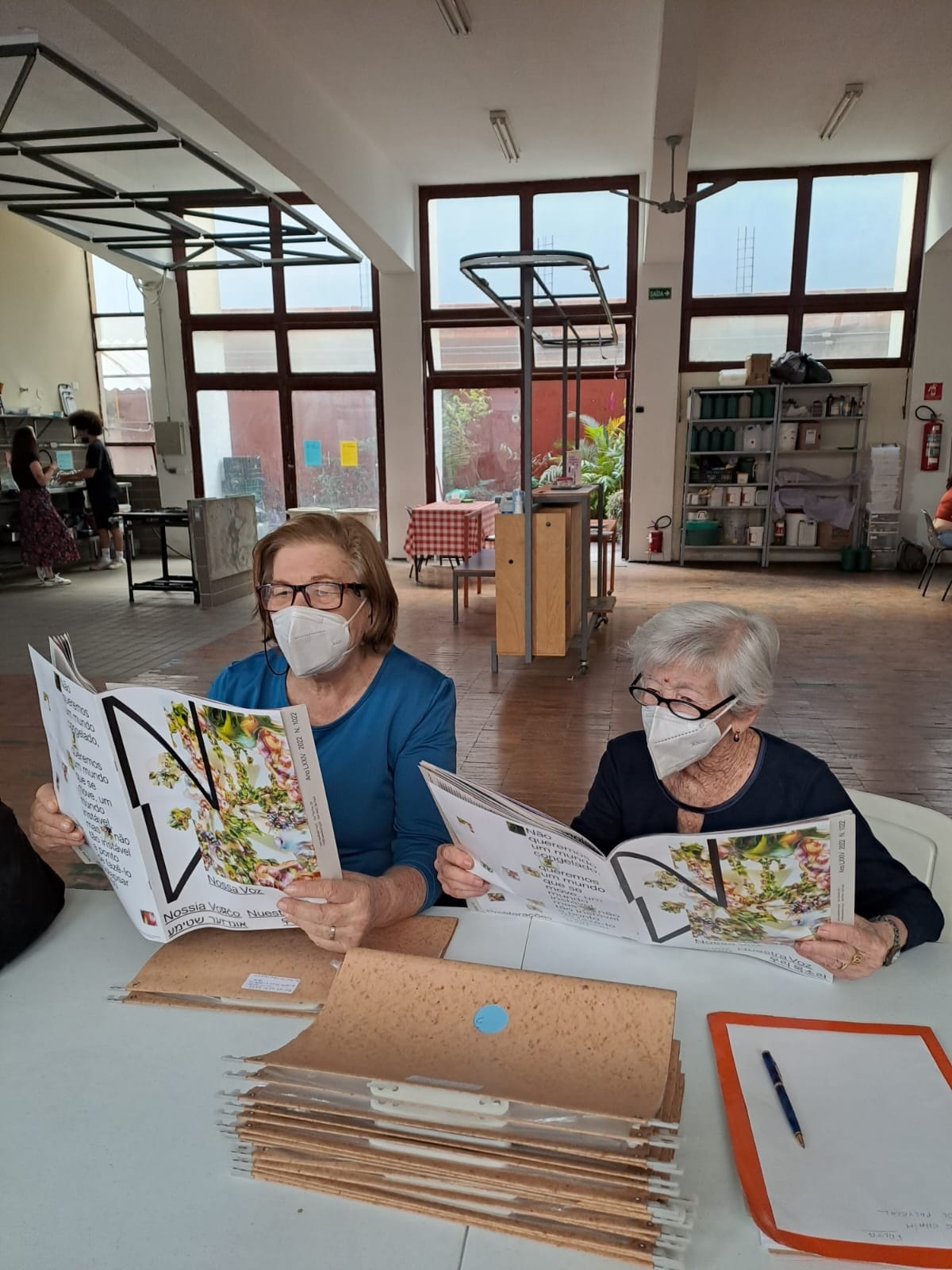
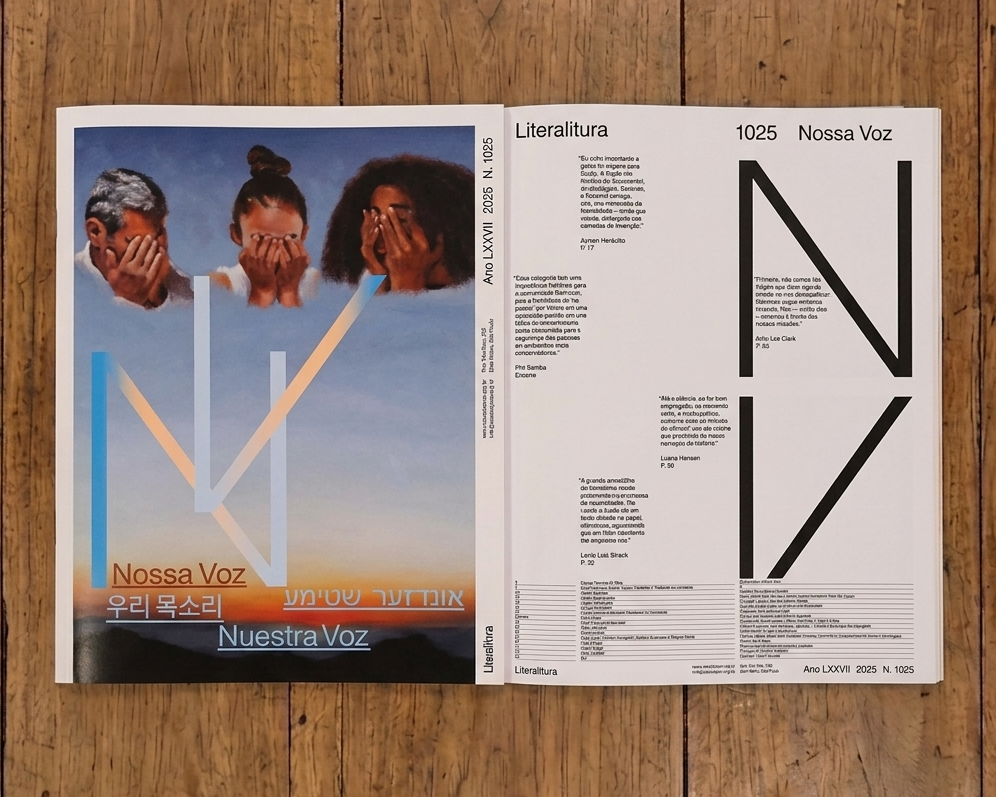
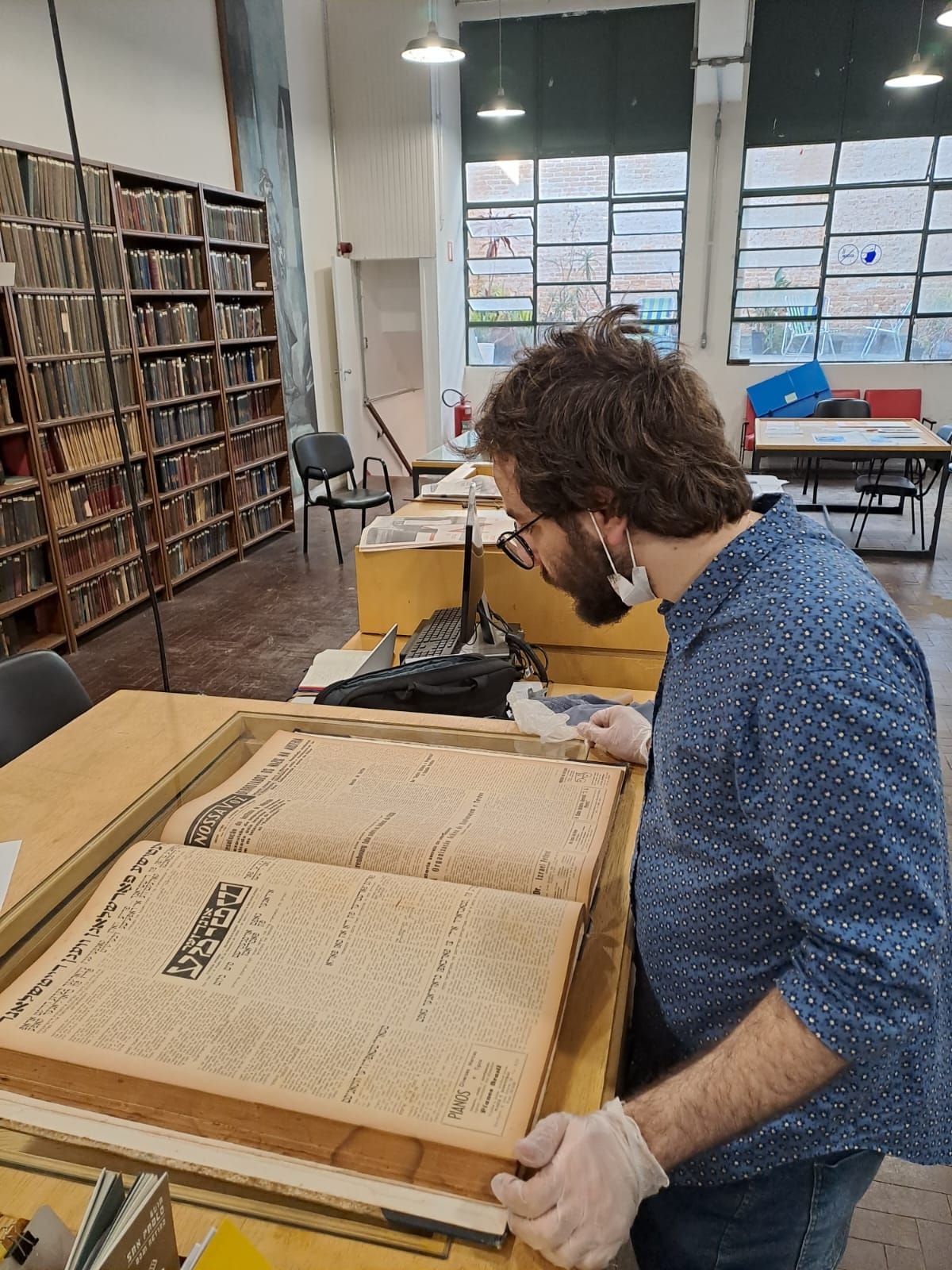
Left: Readers engaging with historic issues of Nossa Voz. Photo by Ana Druwe / Courtesy of Casa do Povo. Center: Nossa Voz (latest edition, N. 1025), physical publication detail. Courtesy of Casa do Povo. Right: Research and document handling in the Casa do Povo Archive. Photo by Ana Druwe / Courtesy of Casa do Povo.
Downstairs, in the basement, the Teatro de Arte Israelita Brasileiro (TAIB) managed to function as a refuge for the artistic avant-garde and political experimentation, such as the plays of Augusto Boal, creator of the Theater of the Oppressed. Boal used the stage not for passive representation, but to create the "spect-actor": an audience member invited onto the stage to rehearse solutions to social oppression. Meanwhile, in the classrooms upstairs, the school protected the children of persecuted political militants — many of whom were not Jewish. Figures like Walkyria Mortati, a non-Jewish communist educator who taught at the school and was imprisoned by the regime, personify this moment in which the Casa became the meeting point between Jewish socialist ideals and the Brazilian democratic struggle.
IV. The Cost of Thought: Winters and Creative Decadence
The center of São Paulo is not empty by accident.
Metropolises like São Paulo operate as deeply fragmented geographies: the flight of elites toward gated condominiums and the extreme privatization of public life have broken the shared experience of the urban, a dynamic that historian Marcos Napolitano has placed at the center of contemporary Brazilian cultural analysis. Where the State only reappears as police shock force or real estate facilitator — almost always camouflaged under the technical euphemism of “revitalization” — a space like Casa do Povo operates by activating memory as an expression of survival.
After the dictatorship, the historical social base of Bom Retiro dispersed: the Jewish community experienced economic mobility toward more affluent neighborhoods like Higienópolis, and the Scholem Aleichem school closed its doors in 1981, pushing the Casa into a state of heavy latency that Casa curator Benjamin Seroussi calls "creative decadence." The mission became diffuse, and the concrete became inhabited by silence, mold, and pigeons.
However — and this is crucial — the Casa was never locked with a padlock. The absence of rigid management allowed the space to remain a home for smaller local associations and working groups that were unable to find a place in the cultural market. In 1988, the formation of the Coral Tradição (Tradition Choir), which sings exclusively in Yiddish, functioned as an emotional anchor to the secular soul of the building while its physical structure deteriorated. This long winter was necessary: it prevented the Casa from becoming a hygienic museum, allowing for new creative energy to leave marks over time while the space awaited a new era.
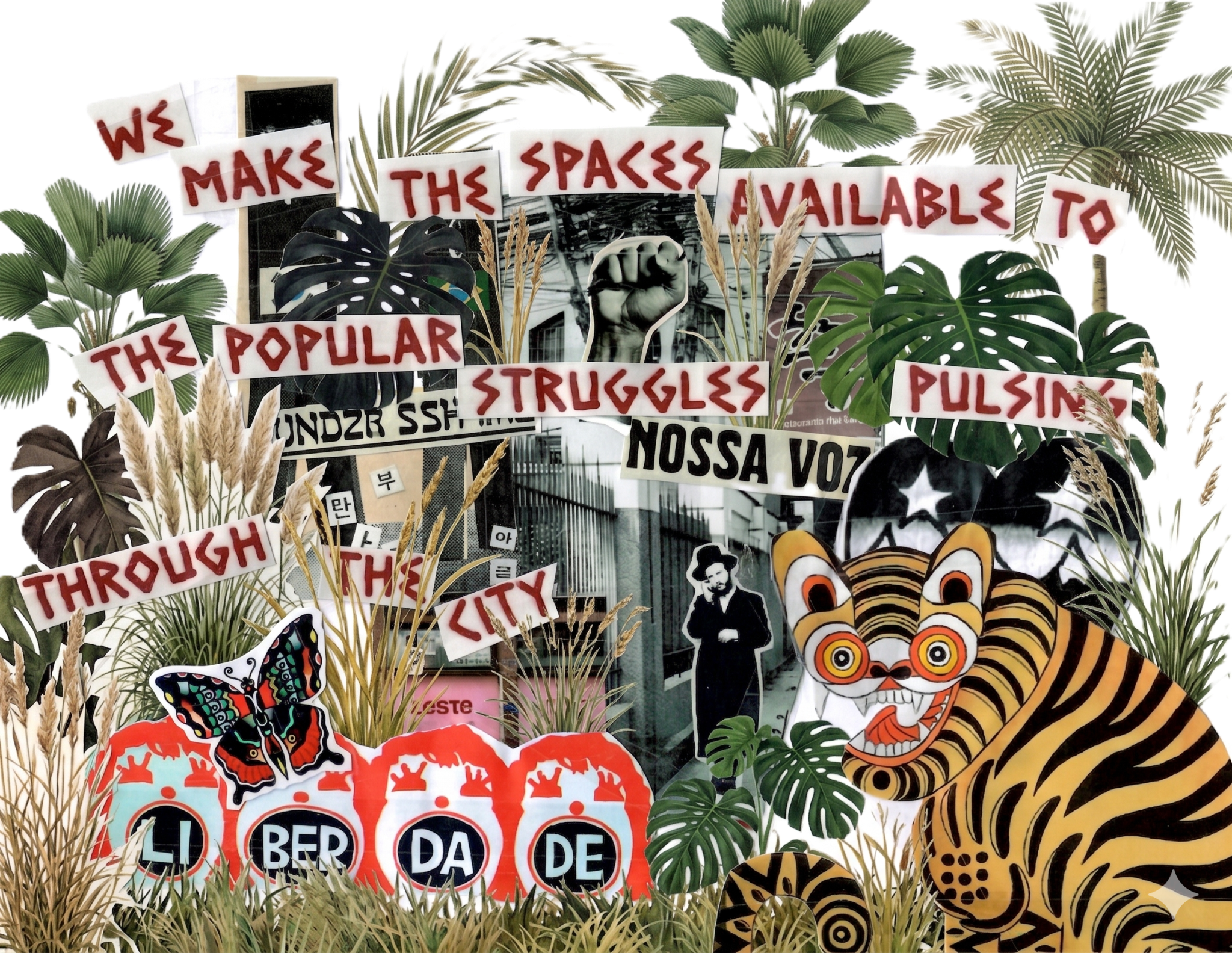
It took the Movimento Passe Livre (Free Fare Movement) of 2013 — when the demand for the right to the city exploded in streets across the country, pushing back against transit fare hikes — for that external pulse to work like a defibrillator. A new generation restarted the institutional machine. The National Truth Commission had also recognized the site as a place of memory in 2012, renewing public attention to anti-fascist landmarks like the Casa. Alumni of the Scholem Aleichem school returned. And the spaces, once opened, began to fill with the contemporary struggles pulsing through the city.
V. The 2013 Reactivation and the Methodology of Porosity
In 2013, the history of the country and that of the building collided once again. While the streets of São Paulo burned with the protests of the Passe Livre movement and the National Truth Commission was established, a new generation returned to Casa do Povo. Druwe recalls that they inhabited the space just as it was: with peeling paint, holes in the floor, and a heavy presence of humidity.
“From its origin, Casa do Povo defines itself as a ‘living monument’: a space in which memory and action are inseparable. Perhaps this is where doikayt becomes a way of doing. More than a fixed identity, there is a commitment to the immediate context. That commitment is also present in the relationship with the building itself,” she said in an interview.
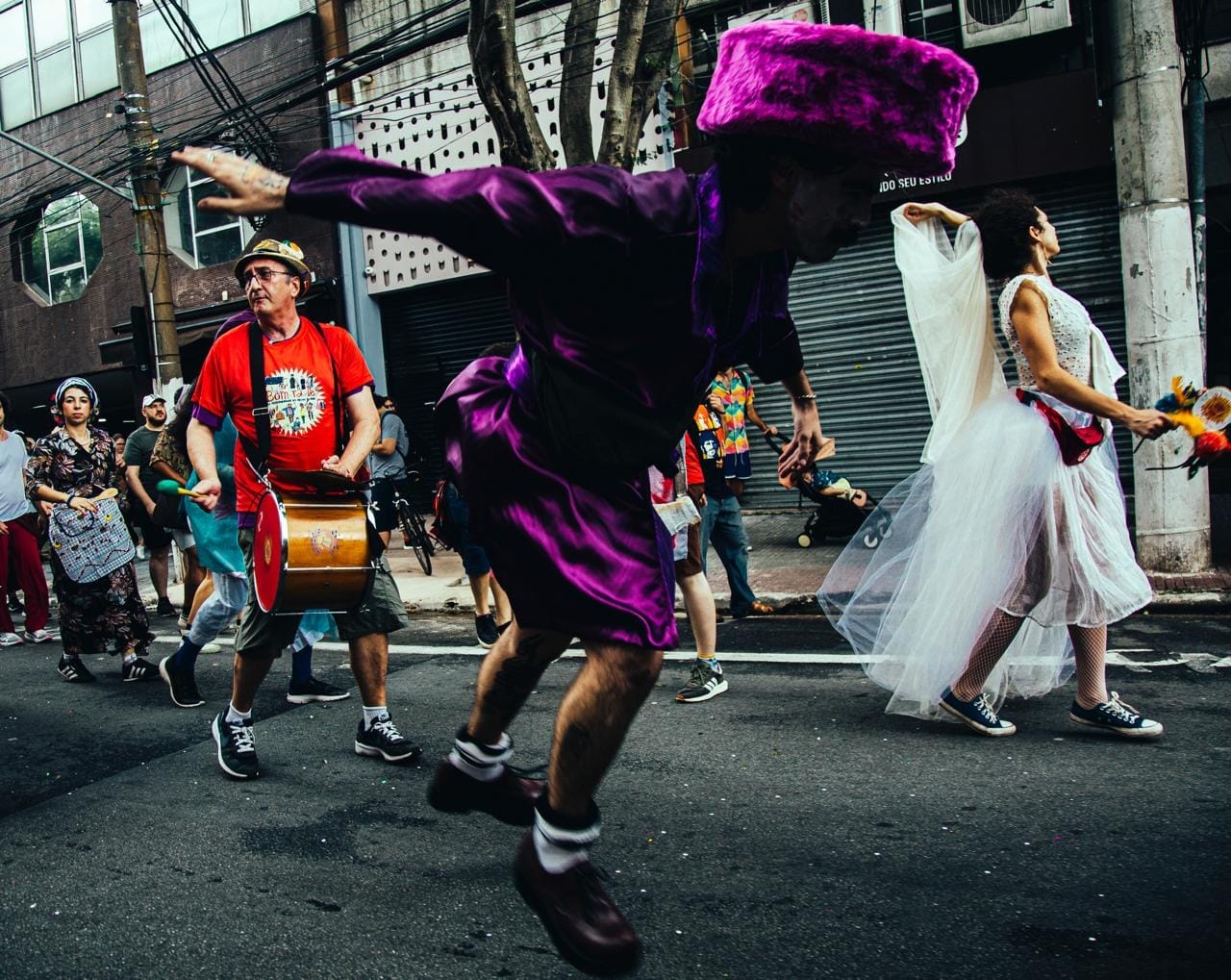
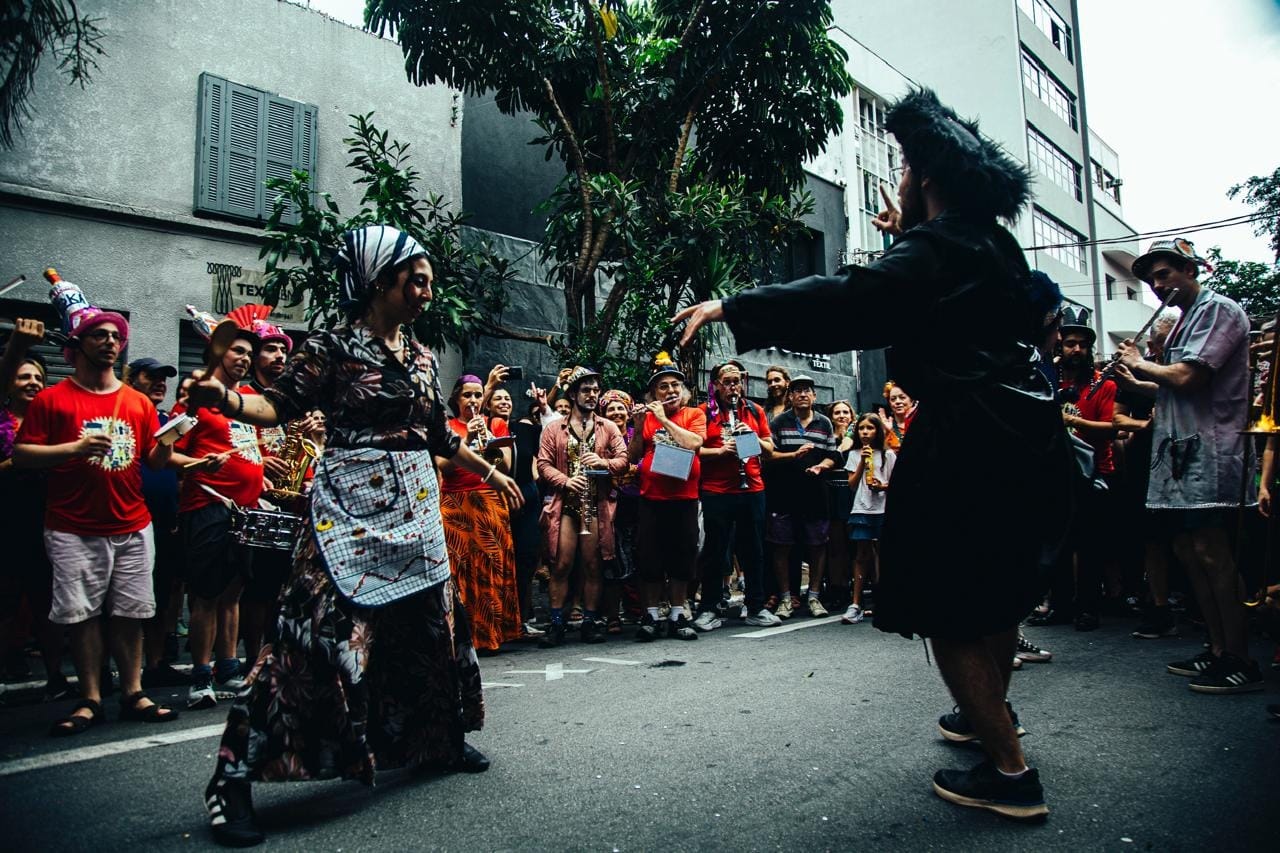
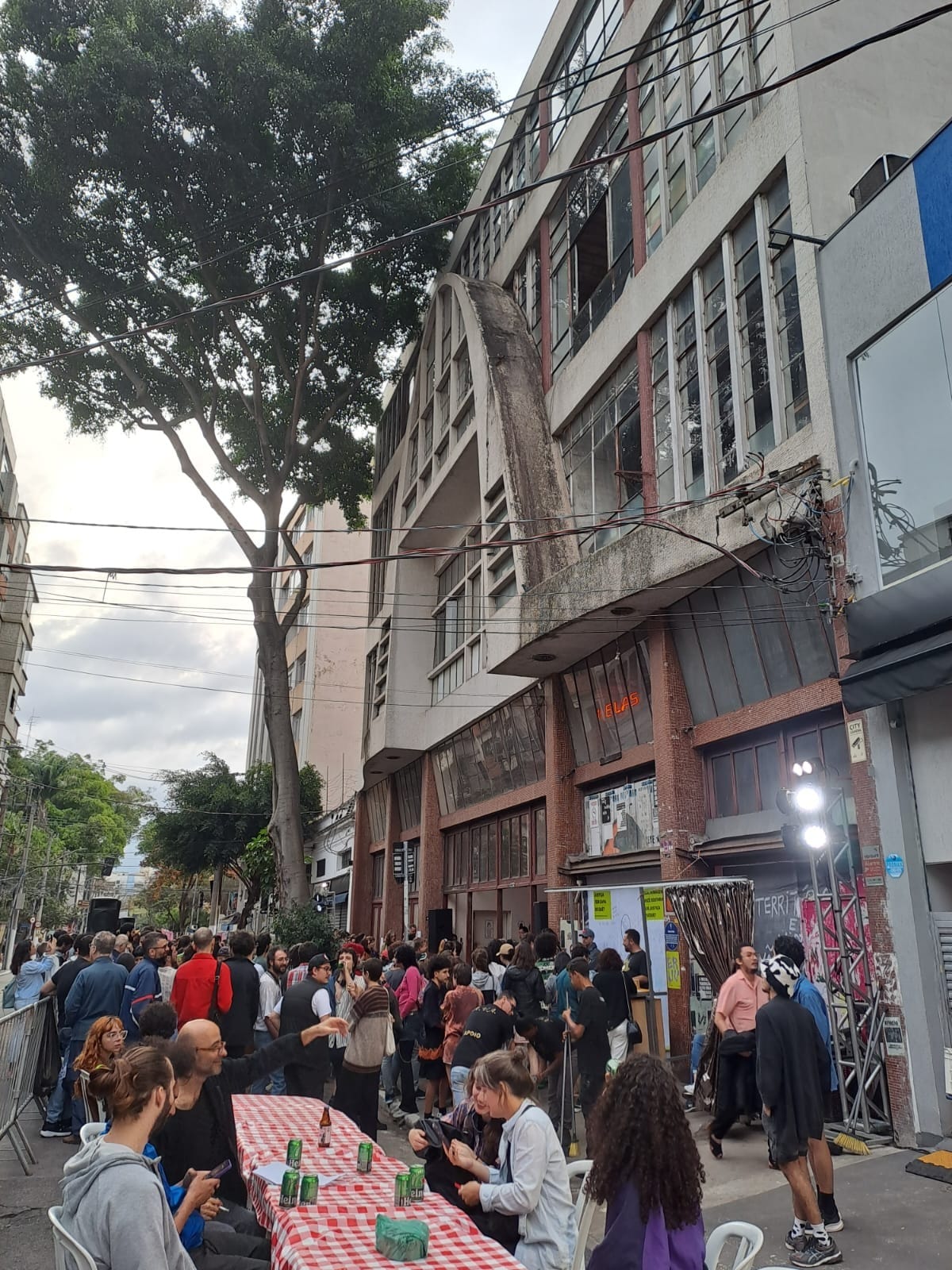
Photos: Guigo Gerber | Event: Bloco Klezmer do Carnaval de Rua, Bom Retiro, February 2026.
Faced with the lack of public spaces in the megalopolis, the Casa placed its square meters at the disposal of social urgencies. It opened its doors to high school students organizing assemblies and to collectives seeking to intervene in the city. The coherence of the Casa today is not dictated by a vertical curatorship, but by the unceasing friction of daily use that allows the neighborhood to "filter" inward.
In this way, the Casa mirrors the history of the Bund, Druwe notes, citing sociologist and director of Rio de Janeiro State University's Jewish Studies Program, Helen Lewin via an article by Berta Waldman on Yiddish theater in Brazil: the Bund never managed to replicate its European vigor in Brazil. Many of the Bundist immigrants ended up joining the formal communist milieu, absorbed into more structured party organizations. "We can think of the doikayt ethic as porosity itself," she wrote, "which results in a space like the Casa today." It is a hypothesis that illuminates a great deal: if the doctrine did not survive the Atlantic crossing as an organization, what arrived was something harder to catalog and, for that very reason, more resilient: an ethical disposition that found in Mange's building its most persuasive spatial argument.
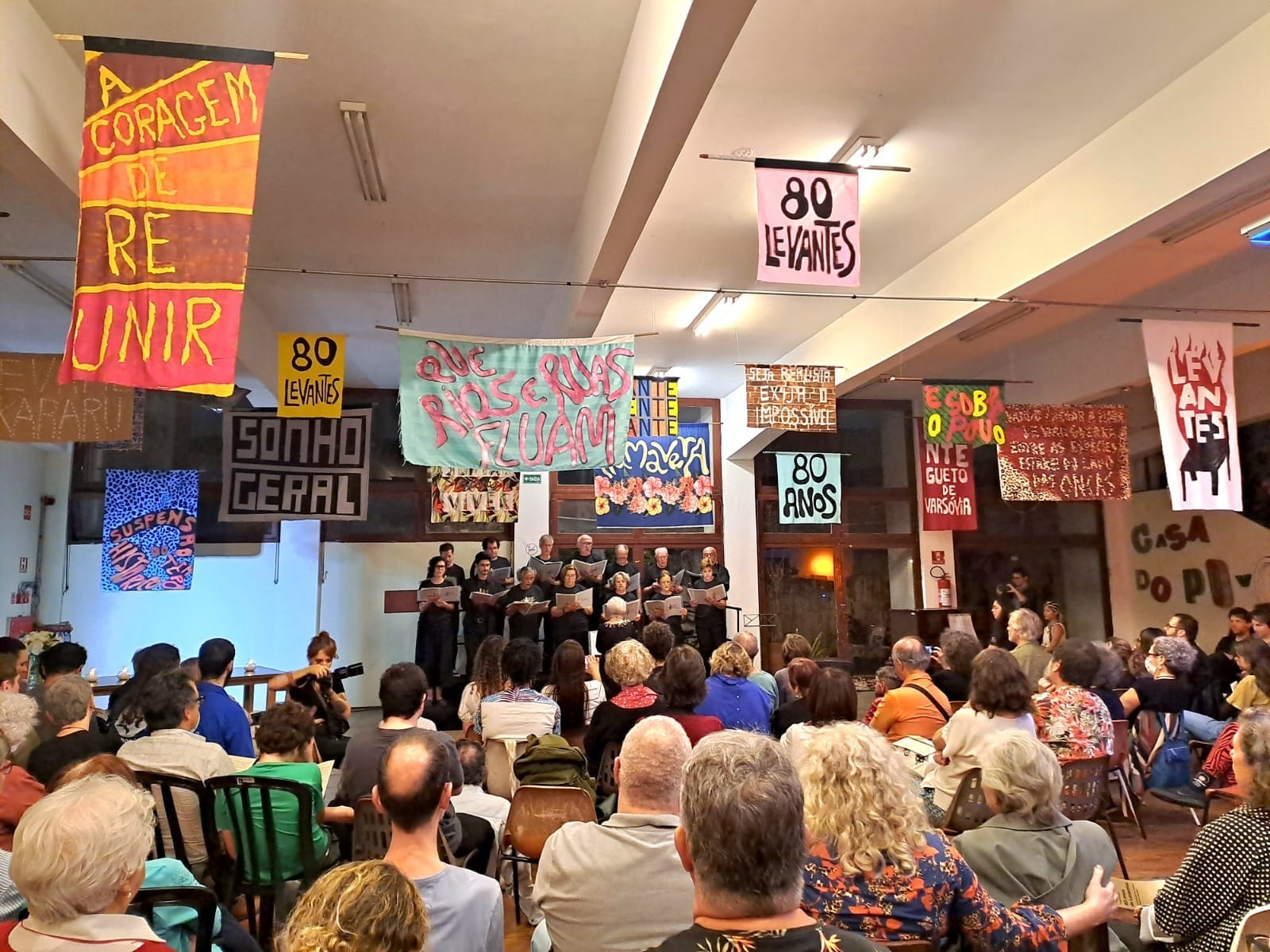
VI. The Mobile Archive and Radical Hospitality
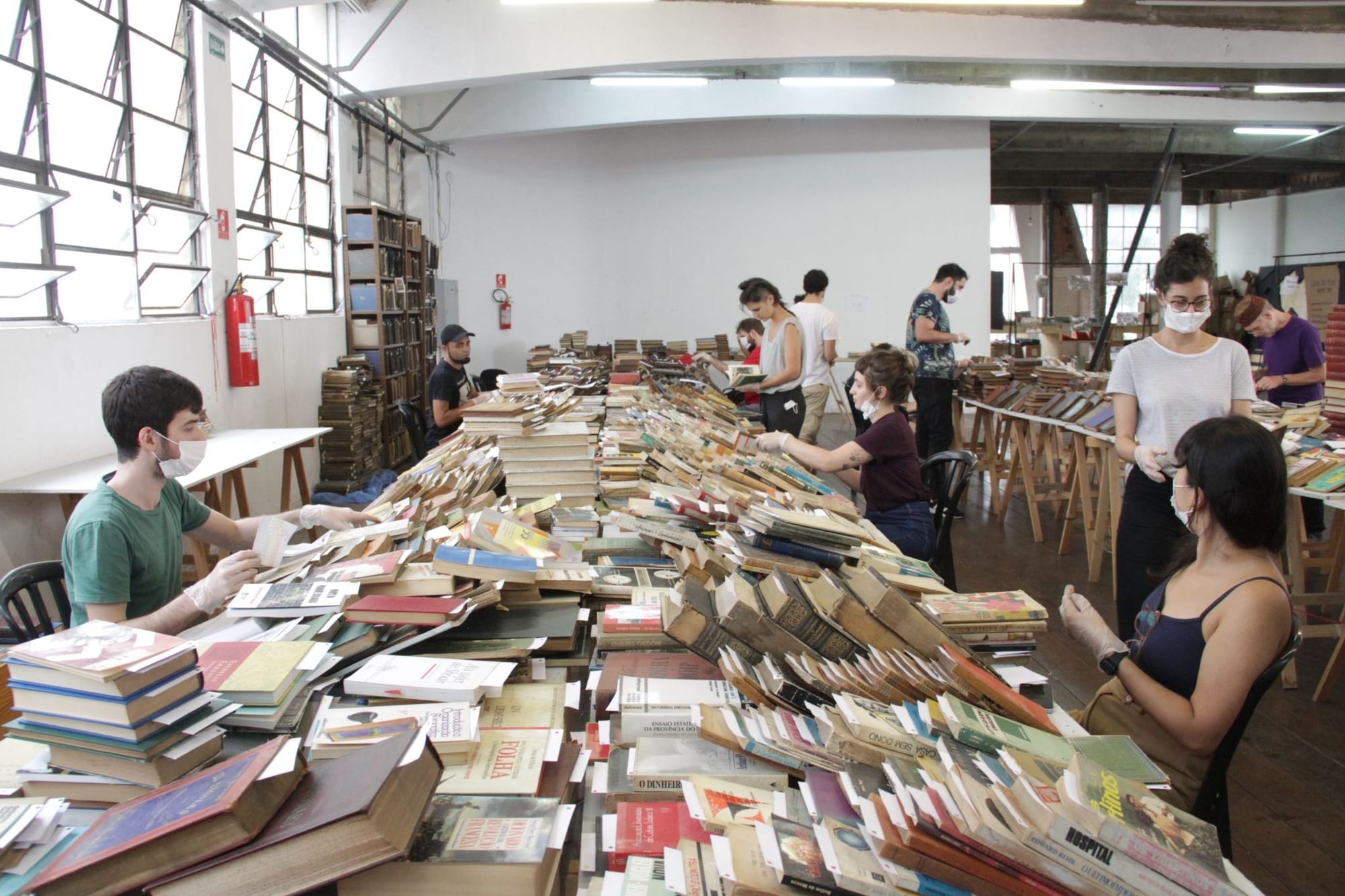
The Casa’s reactivation implied less an abandonment of the past and more of a reformulation. At Casa do Povo, the archive is not an intact display case. Material evidence of this can be found in its collections: the shelves holding the books rescued from the mold are built on wheels. The furniture is mobile because memory must move in order to mix with the vitality of the present.
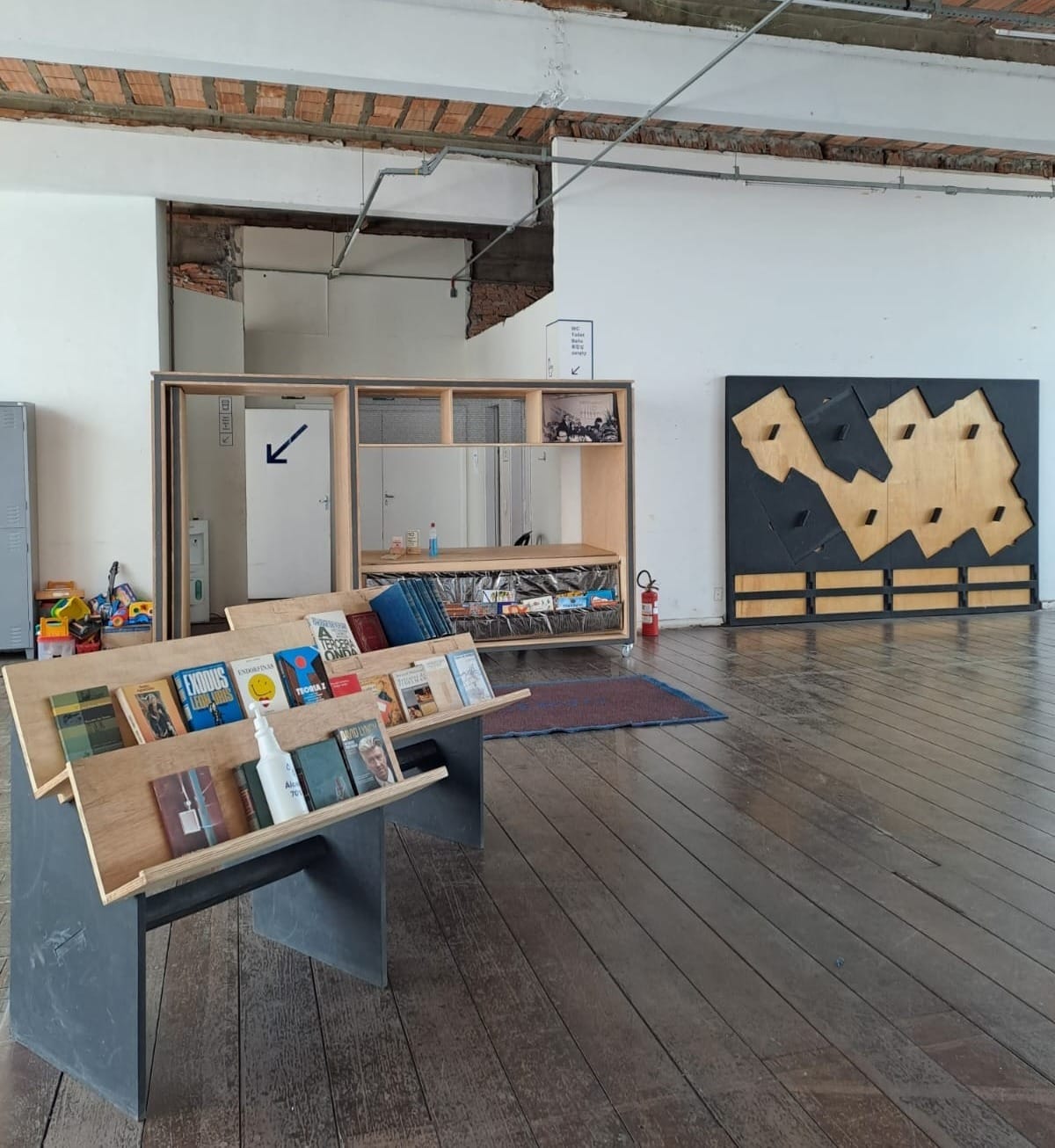
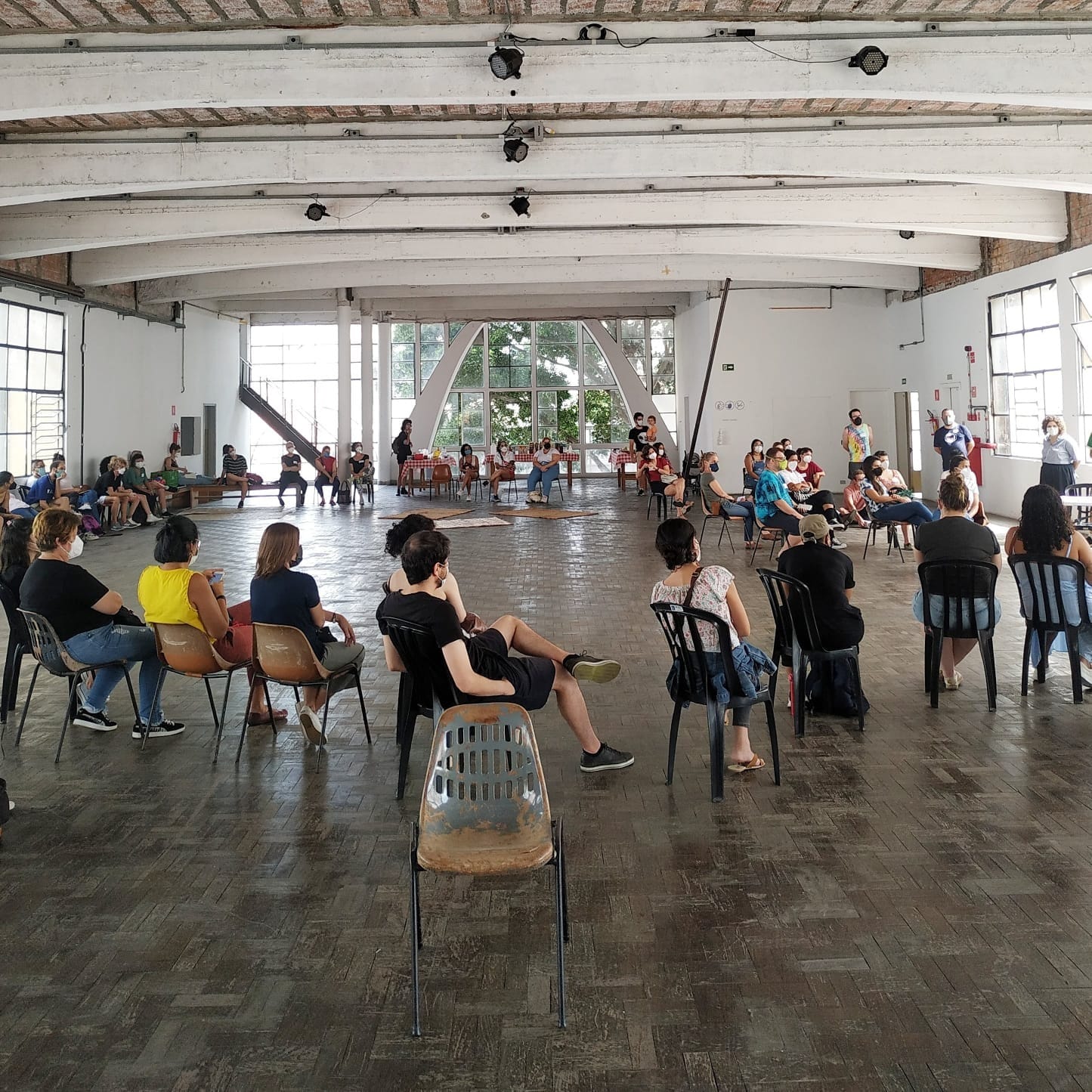
Left: Mobile shelving and display modules in the space. Photo by Haroldo Sabóia / Courtesy of Casa do Povo. Right: Meeting at Casa do Povo's main floor. Photo by Ana Druwe / Courtesy of Casa do Povo.
Under this roof, doikayt has universalized. On the same day, the Casa hosts the rehearsals of the Korean Mothers' Choir, the Flor de Kantuta Bolivian seamstresses' cooperative, the Boxe Autônomo training sessions for refugees, and the Open Psychoanalysis Clinic. This pluralism is embodied in the artistic collective MEXA, composed of queer and trans individuals in situations of vulnerability, who inhabit the Casa as a political and creative refuge.
Trust is managed through the assignment of space. The Casa welcomes these diverse bodies — Black, Indigenous, migrant, dissident — not despite being a Jewish institution, but precisely because it is one. If, historically, they were the "Other" in Europe, the meaning of a diasporic house today is to offer radical hospitality to the "Otherness" of the present. The recent installation of an elevator in the building — a victory in accessibility, documented on the Casa's Instagram— achieved by breaking through all the floors without the Casa ever closing its doors, without displacing anyone, captures this philosophy. There is no moment-zero of refoundation, no grand reopening. The institution transforms while it functions, repairs itself while it stays open, and remembers while it acts.
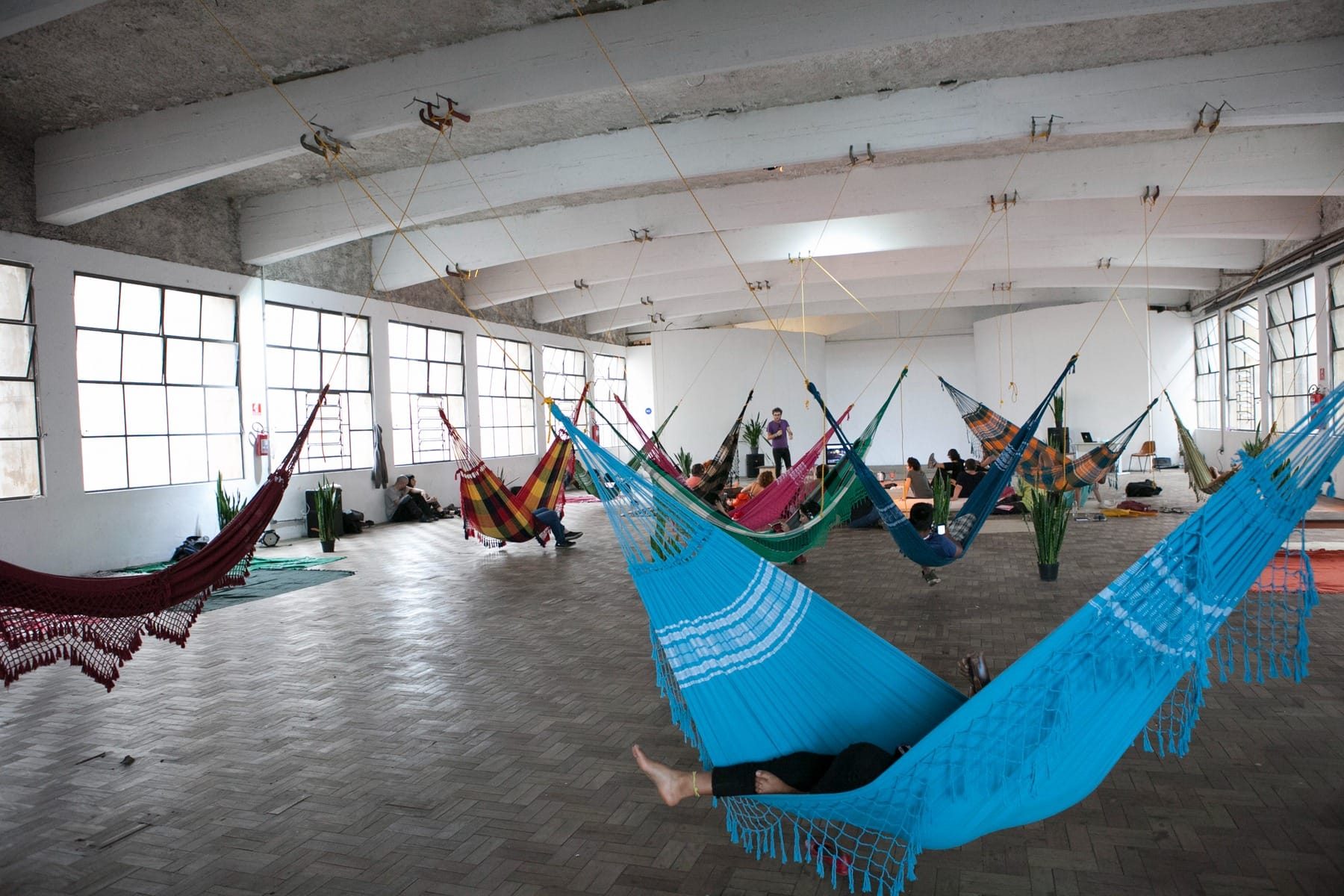
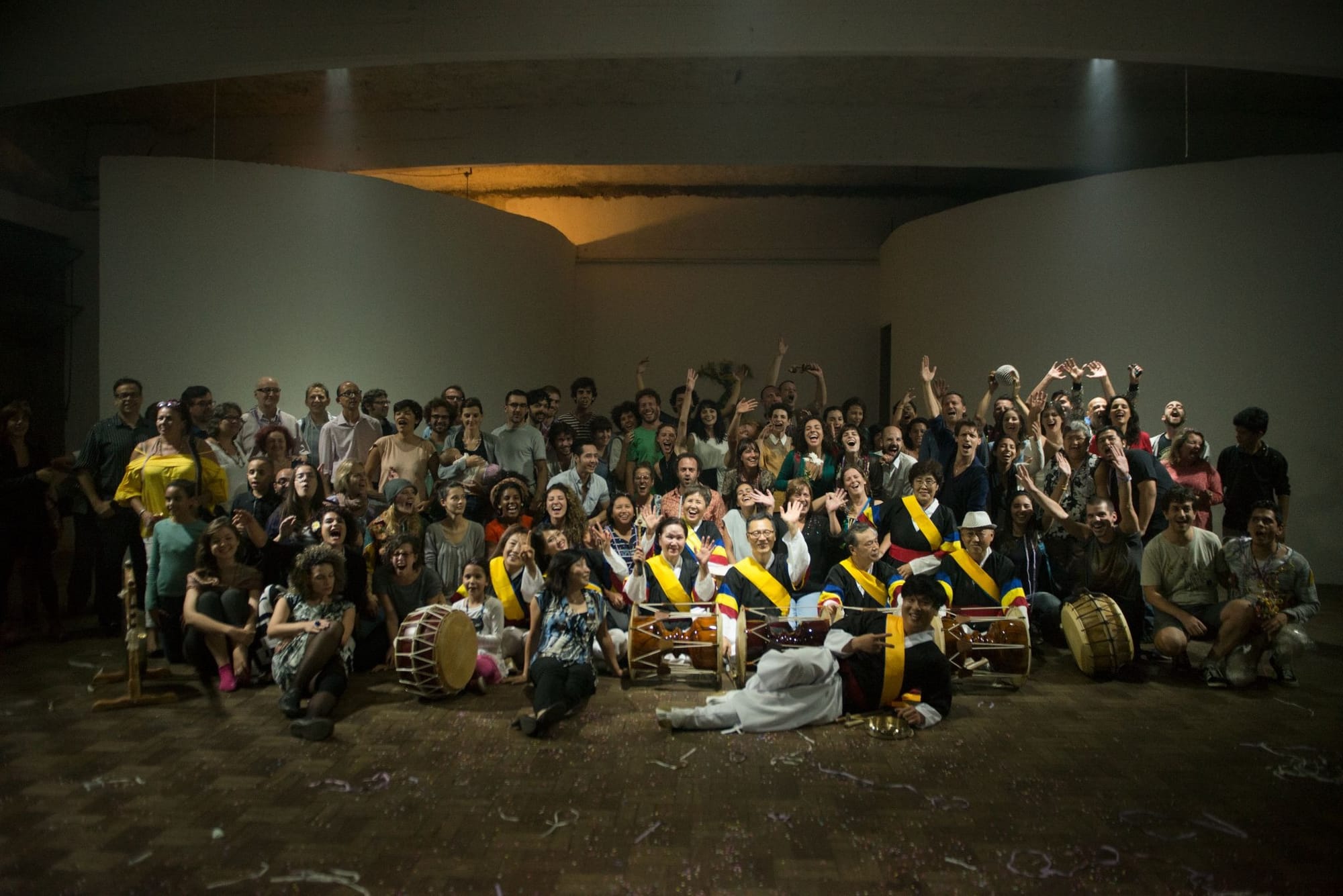
Left: Installation of hammocks (redario) in the upper floor hall. Photo by Julia Moraes / Courtesy of Casa do Povo. Right: Korean traditional percussion performance and community gathering in the main hall. Photo by Camila Picolo / Courtesy of Casa do Povo
Casa do Povo demonstrates that the most resilient identity is not the one that builds walls to protect itself, but the one that opens its doors to become an ongoing project of emancipation. It chooses to get dirty with the present, preferring the risk of community friction over the safety of a nostalgic monument of a bygone time. The true living monument is not the concrete of the 1950s; it is the network of care, resistance, and porosity that the community practices, corrects, and sustains inside its walls every single day.
This article is based on an interview conducted in April-May 2026 with Ana Druwe, researcher and co-editor of Modos de Fazer (Casa do Povo, 2023).